For WorldatWork Members
- ‘How Much Will This Cost?’ Clarifying Healthcare Pricing for Workers, Workspan Daily Plus+ article
- Health Insurance Selection Checklist for Employees, Workspan Daily Plus+ article
- Use This Cost Worksheet to Help Employees Select Healthcare Options, Workspan Daily Plus+ article
- The Power of Play: Gamifying Employee Benefits Awareness, Workspan Daily Plus+ article
For Everyone
- Rising Healthcare Costs Forcing Employers to Rewrite Their Game Plan, Workspan Daily article
- What Trends Are Shaping Employee Benefits and Workforce Health? Workspan Daily article
- Healthcare Cost Projections Necessitate TR Strategy Updates, Workspan Daily article
- Do Your Employees Understand the Health Plan They Picked? Workspan Daily article
- Cost-Benefit Analysis May Help You Maximize Your Offering Spend, Workspan Daily article


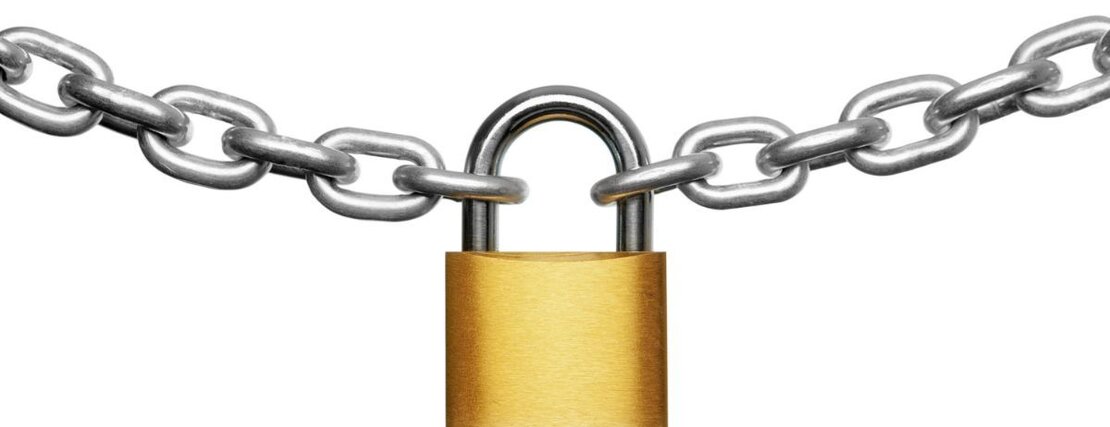
Nearly 1 in 4 U.S. workers — the equivalent of about 23 million adults — reported they are staying in their current job, even though they want to leave, because they are afraid of losing their health insurance. This is according to a recent report by the West Health-Gallup Center on Healthcare in America, a joint initiative to report the voices and experiences of Americans within the healthcare system.
The report, which reflects survey responses from more than 5,000 U.S. workers who reported this “job lock,” also found:
- 44% of respondents with medical debt were staying in an unwanted job for insurance, more than double the rate of those without medical debt (21%).
- 29% of those with chronic conditions are staying for insurance, versus 17% without. Those reporting three or more diagnoses are the most likely to stay in jobs for insurance benefits (41%).
- Women are more likely than men to report staying in a job they would prefer to leave to maintain health insurance coverage (30% vs. 20%, respectively). Compared with men, women also are more likely to report experiencing financial stress due to healthcare expenses (56% vs. 44%), having medical debt (22% vs. 12%) and having multiple chronic conditions (66% vs. 57%).
- About half of Americans reported difficulty consistently paying for needed medical care or prescriptions, and 51% said they were worried about their ability to afford healthcare over the next 12 months, the highest level in five years.
“Job lock happens when fear about health insurance overrides career choice,” said Katie Dykstra, an HR client engagement director at consulting firm Marsh McLennan Agency. “For HR, that makes it a workforce, well-being and retention issue — not just a benefits issue.”
Access a bonus Workspan Daily Plus+ article on this subject:
What Job Lock Drags Down
In many ways, benefits are doing exactly what they are supposed to do — retaining key talent, said Deb Smolensky, the vitality and well-being solutions global practice leader at workforce advisory firm NFP, but the problem comes when employees remain in their role out of caution rather than satisfaction.
Dykstra also noted that, amid an increasingly uncertain job market, U.S. workers are concerned about quitting their jobs, which would leave them without any coverage at all. In short, job lock keeps people from making good career moves, she said.
“They may pass on a better job, a raise or a role that fits them better simply because they are afraid to change benefits,” Dykstra explained. “That can leave people feeling stuck, stressed and burned out, which can lead to long-term mental health challenges. It can also affect their physical health if they delay care or worry too much about losing coverage.”
In addition, the West Health-Gallup report found job lock constrains worker mobility, productivity, entrepreneurship and wage growth, and it has been linked to lower life satisfaction, poorer overall well-being and higher rates of occupational injury.
Employees may decide to stay in roles for a number of reasons, Smolensky noted, but the challenge is when employees are not engaged and feel stuck in both their career and personal progression.
“For that employee, staying [at a job] can start to feel less like a choice and more like a constraint, and over time, that wears on well-being,” she said. “Left unaddressed, it doesn’t stay contained to one person — it shows up in meetings, on teams and eventually as an organizational drag on the energy businesses depend on.”
HR’s Response
According to Dykstra, you should keep an eye on rising healthcare costs because they usually worsen job lock. And, watch for the growing demand for portable benefits, mental health support and more flexible work arrangements, she added.
“The best response is to reduce insurance anxiety, improve benefits clarity and build a culture where employees feel able to grow without fear,” she said.
Editor’s Note: Additional Content
For more information and resources related to this article, see the pages below, which offer quick access to all WorldatWork content on these topics:

#1 Total Rewards & Comp Newsletter
Subscribe to Workspan Weekly and always get the latest news on compensation and Total Rewards delivered directly to you. Never miss another update on the newest regulations, court decisions, state laws and trends in the field.