For WorldatWork Members
- Definitely, Maybe: FLSA Common Misconceptions and Compliance Tips, Workspan Daily Plus+ article
- Guidance on How to Avoid Common FLSA Classification Errors, Workspan Daily Plus+ article
- Whose Worker Is It Anyway? Traversing the Joint Employer Triangle, Workspan Daily Plus+ article
- 3 Pitfalls that Can Lead to Tipped Employee Pay Violations, Workspan Daily Plus+ article
- FLSA Implementation Toolkit, tool
- State Laws Comparison Tool, tool
For Everyone
- Wage-and-Hour Compliance: You Are Either Fine or Fined, Workspan Daily article
- DOL Proposes Overhaul of Independent Contractor Rule, Workspan Daily article
- DOL Proposed Rule Seeks to Clarify, Harmonize Joint Employer Status, Workspan Daily article
- DOL Aims to Address Tip Credits, Young Workers and Employment Status, Workspan Daily article
- NLRB Reinstates 2020 Joint-Employer Rule, Issues Case Handling Focus, Workspan Daily article


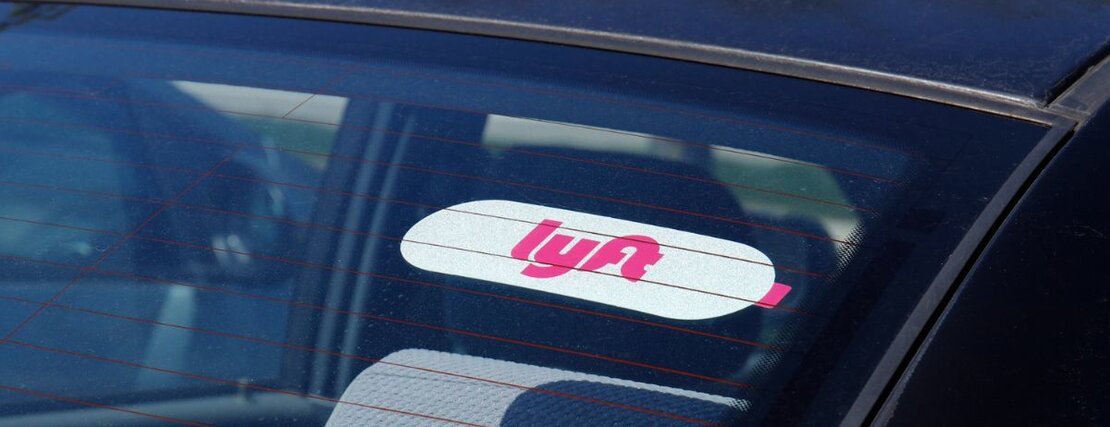
The State of California Labor Commissioner’s Office (LCO) announced Thursday, Oct. 1, that Lyft, Inc., will pay $272.5 million to settle claims that the rideshare company misclassified its driver workforce in that state. The agreement between the two parties, which is subject to court approval, covers alleged violations between April 1, 2016, and Dec. 15, 2020, and marks the largest wage-and-hour settlement in California’s history.
The state had alleged that Lyft misclassified its California drivers as independent contractors during the dates in question, which effectively denied those workers state-mandated minimum wages, overtime compensation, rest-break premiums, expense reimbursement and other workplace protections (e.g., paid sick leave). More than $237 million of the settlement, which includes base and overtime wages as well as enhanced mileage calculations, will go directly to the more than 1,600 affected drivers.
Driver payments will be based on hours and miles driven between the listed dates. The total could increase if Lyft decides to pay in installments and, as a result, owes interest.
The scope of the case is limited given California’s Proposition 22, which was passed by voters in November 2020; put into effect on Dec. 17, 2020; and upheld by the state’s Supreme Court in July 2024. The affirmed ballot measure created a separate framework for qualifying app-based drivers. Since the period covered by the settlement predates the enforcement of Prop 22, Lyft isn’t required to reclassify drivers or provide relief for later work.
“This settlement is about the workers who came forward and spoke up,” California Labor Commissioner Lilia García-Brower said in the state’s press release. “Their voices made this outcome possible. We pursued this case to ensure workplace protections have real meaning and to recover as much as possible for drivers.”
App-based drivers in California are litigating similar claims against rideshare company Uber.
This is Lyft’s third major settlement with a state for worker misclassification claims.
- In 2023, Lyft and fellow rideshare company Uber agreed to pay a combined $328 million to settle wage-and-hour claims with the state of New York. In that settlement, Lyft agreed to pay $38 million and Uber agreed to pay $290 million.
- In 2024, the two companies agreed to pay a combined $175 million to settle wage-and-hour claims with the state of Massachusetts. In that settlement, Lyft agreed to pay $27 million and Uber agreed to pay $148 million.
Editor’s Note: Additional Content
For more information and resources related to this article, see the pages below, which offer quick access to all WorldatWork content on these topics:

#1 Total Rewards & Comp Newsletter
Subscribe to Workspan Weekly and always get the latest news on compensation and Total Rewards delivered directly to you. Never miss another update on the newest regulations, court decisions, state laws and trends in the field.