For WorldatWork Members
- Considering Open Enrollment AI Tools? Keep These Tips in Mind, Workspan Daily Plus+ article
- Easy AI Tips to Improve Benefits Communications, Workspan Daily Plus+ article
- Ready, Set, Enroll! Open Enrollment Final Checks and Reminders, Workspan Daily Plus+ article
- Close Open Enrollment Connection Gaps with Targeted Messaging, Workspan Daily Plus+ article
- How to Communicate Like a Content Creator This Open Enrollment Season, Workspan Daily Plus+ article
- Add a Content Creator’s Framework to Your Benefits Communications, Workspan Daily Plus+ article
- 5 Ways You Can Reduce Workers’ Open Enrollment Regret, Workspan Daily Plus+ article
For Everyone
- This Year’s Open Enrollment Is All About Costs and Communication, Workspan Daily article
- How AI is Reshaping Open Enrollment, Workspan Daily article
- A Content Creator Mindset May Mitigate Open Enrollment Shortcomings, Workspan Daily article
- AI Could Be the Answer to Reduce Employees’ Benefits Confusion, Workspan Daily article
- Most of Your Workers Will Likely Regret Their Open Enrollment Choices, Workspan Daily article


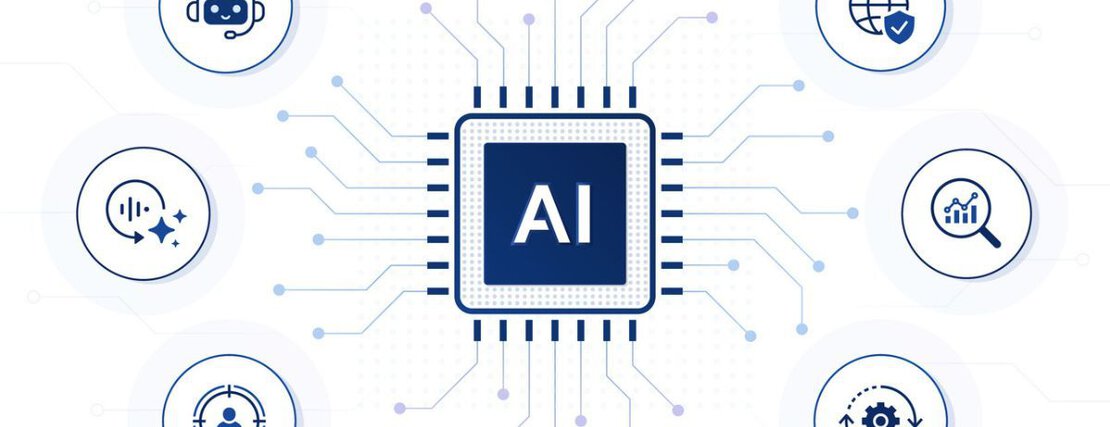
Artificial intelligence (AI) has likely transformed almost every aspect of your organization, including the open enrollment process.
According to a 2026 Benefits & Beyond study report by financial and insurance company Prudential, many employers are interested in using AI in the benefits space, including in the following areas:
- General benefits education (83%)
- Personalized benefits information (80%)
- Advice for specific life situations (78%)
But employee interest, while also in the majority, lags. Just 58% of surveyed workers wanted AI tools for benefits education, and 57% wanted them for specific life-situation advice and/or benefits personalization.
About a quarter of the workers surveyed said they currently use AI to learn about benefits, with those percentages rising for certain groups:
- Unionized workers (40%)
- Tech employees (37%)
- Generation Z workers (36%)
- Workers with teenagers (34%) or young children (33%)
- Salaried employees (27%)
- Sole benefit decision-makers (27%)
“Employees aren’t rejecting AI outright,” said Scott Roth, the vice president and chief technology officer at Prudential Group Insurance. “The interest is there. The hesitation is around whether they can trust the technology and how their data will be managed.”
Access bonus Workspan Daily Plus+ articles on this subject:
- Consider These AI Use Cases This Open Enrollment Season
- How to Bridge the AI Trust Gap When Employees Shop for Benefits
- Substantive Ways You Can Mitigate Risks from Benefits Chatbots
How AI Is Reshaping Benefits
Rapid growth is imminent in this area. While 20% of employers said they are currently using AI in benefits, 72% plan to begin doing so within two years, according to a recent AI Use in Health and Benefits Survey by consulting firm WTW.
“[Employees are] coming to open enrollment with a certain set of life circumstances, and they all have different needs,” said Jeff Chandler, the firm’s North America commercialization leader for health and benefits. “Historically, the way employers have solved that is just to answer every question under the sun, put all the content out there through flat, text-based communications, and let employees navigate it. Now, AI allows employees access to information at the moment they need it, as opposed to hunting and pecking.”
AI’s Value — And Its Risks
According to the experts interviewed for this article, these digital tools can offer several advantages, such as simplified navigation, personalized guidance, access to a wealth of information and timely decision support.
“AI is finally forcing our benefits to move from an annual, one-time-a-year interaction or transaction into a continuous, data-informed decision-making platform,” said Robby White, the U.S. benefits business line leader at risk management and consulting firm Gallagher. “I think that shift is what everyone is looking for.”
But employers also should be aware of legal, financial and reputational risks and challenges, including:
- Data security and privacy;
- Tools that furnish incorrect responses;
- Solutions that lean too heavily on automation without human support; and,
- A lack of vetting or clear governance.
“The most valuable AI in benefits is the AI you can audit,” White said. “If a vendor can’t show you why a recommendation was made, that’s not intelligence. That’s a black box.”
As a result of such concerns, employee trust can diminish. The Prudential report found employees are less likely than their employers to view AI positively and to trust it.
To combat that distrust, Chandler said employers should establish clear governance structures and AI policies, educate their workers on AI tools, and give employees time to understand the benefit.
“It’s incumbent upon employers to provide AI that’s useful, be transparent about it and make it easy to understand,” he said. “Trust will be gained as [employees] get direct experience, but it also has to come with education and clarity on what AI is being used for and how human oversight is playing a role.”
Editor’s Note: Additional Content
For more information and resources related to this article, see the pages below, which offer quick access to all WorldatWork content on these topics:

#1 Total Rewards & Comp Newsletter
Subscribe to Workspan Weekly and always get the latest news on compensation and Total Rewards delivered directly to you. Never miss another update on the newest regulations, court decisions, state laws and trends in the field.