For WorldatWork Members
- Commuter Benefits: Accelerating Effective Strategies, Workspan Magazine article
- Commuting Considerations Could Be Key in RTO, Workspan Magazine article
- Financial Well-Being Benefits Get a Rebrand, Workspan Magazine article
- Checklist: Evaluating EVP Delivery Across Work Arrangements, Workspan Daily Plus+ article
For Everyone
- How Sweetening the Pot May Improve Your RTO Lot, Workspan Daily article
- RTO, Remote, Hybrid: Have U.S. Work Models Stabilized? Workspan Daily article
- Will Office Premiums Lure Employees Back to In-Person Work? Workspan Daily article
- Supportive Work Environments Are Key to Organizational Success, Workspan Daily article
- Mini-study: Vehicle and Commuter Benefits, research


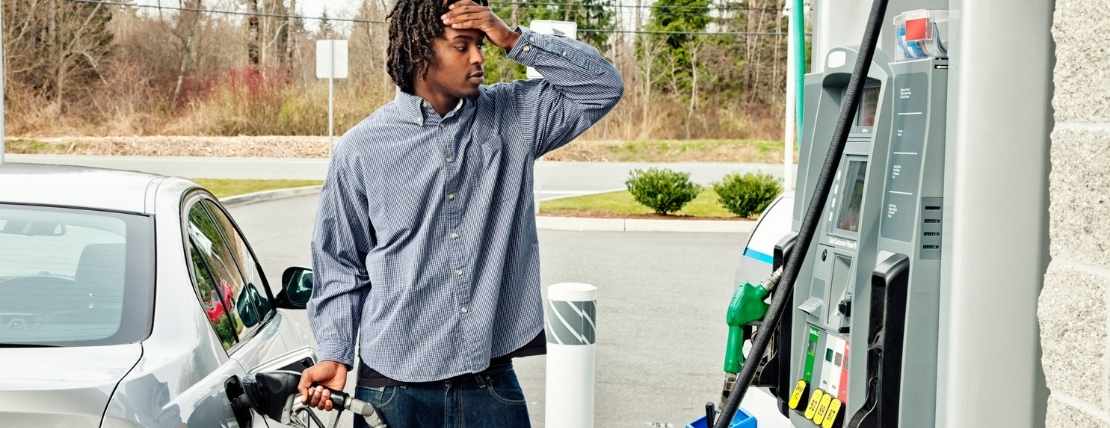
As the Middle East crisis intensifies, average gas prices in the U.S. have spiked 35%, and if costs keep rising, a $100 daily commute could become the norm for many workers.
Currently, much of the concern is anticipatory, said Ron Porter, a senior partner at consulting firm Korn Ferry. If gas prices don’t drop soon, he predicted more organizations will consider implementing bigger-scale changes.
“Organizations must be nimbler than ever,” he said. “An organization willing to try something on a temporary basis gets credit from the workforce and gets a chance to test a new benefit. It’s a good opportunity for organizations to push the status quo and do some experimenting.”
Access a bonus Workspan Daily Plus+ article on this subject:
The Financial Impact
According to Alicia Scott-Wears, a content director at WorldatWork, surging fuel costs have significant downstream impacts for both employers and workers.
“[These costs can affect] the price of goods and services, business travel, and the simple act of getting to work,” she said.
Research shows an average U.S. worker spends 223 hours commuting each year, resulting in the equivalent of nearly six unpaid 40-hour work weeks.
“That’s both time and money lost, particularly for employees paying more just to get to work,” said Jasmine Escalera, a career expert at career website Zety. “For employers, the pressure shows up in performance and retention. When the cost and time required to get to work feel unsustainable, employees are more likely to disengage, call out or look for roles that make more financial sense.”
With roughly two-thirds of Americans living paycheck to paycheck, Scott-Wears noted a spike in fuel costs can materially worsen an already fragile financial situation.
“If gas prices continue to rise, employees will effectively keep taking a pay cut just to get to work, creating a ripple effect that directly impacts employers,” Escalera added.
Transportation and Gig Workers Hit Hardest
According to Scott-Wears, transportation, supply chain, frontline and other related industries and roles are being disproportionately impacted, facing immediate margin and income pressure from higher diesel and gas costs.
Surging gas prices also have hit gig workers especially hard. A Zety report showed 88% of gig workers have taken on more jobs to meet the challenges of inflation and the rising cost of living. Of these workers, Escalera said 55% rely on freelance assignments for more than half their total earnings, and 32% rely on labor- and task-based platforms like rideshare and delivery services where driving is central to the job.
“As gas prices rise, they directly cut into workers’ pay,” she explained. “To make the same amount, workers have to take on more gigs, but they’re also spending more on fuel, creating a cycle where they work more without actually getting ahead.”
As a result, gig workers may reassess whether certain types of freelance work are sustainable, Escalera noted. For example, workers who rely on gig income may reduce hours, move to other types of work or leave gig platforms altogether.
“If this happens at scale, industries that depend on freelance labor, particularly delivery and transportation, may feel the effects through fewer available workers, longer wait times and rising costs,” she said.
How Employers Can Help
With more employers enforcing return-to-office (RTO) policies (to increase collaboration and innovation, maximize their real-estate spend, etc.), offering flexibility to employees is an easy way to help them at this moment.
“It’s critical to continually evaluate benefits strategy and retention tactics as things outside of the company’s control evolve,” said Toni Frana, a manager at career website FlexJobs. “A willingness to adapt and adjust to these changes and how they affect workers can go a long way in gaining employee trust and loyalty, and as a result, retention.”
While fuel prices remain high, consider loosening any RTO directives and offer additional flexibility, she said, citing FlexJobs research that said 85% of workers considered remote work options as the number one factor to apply for a job.
“When companies are willing to offer [remote work], particularly when gas prices are high, it offers employees immediate relief in their pocketbook, which can then relieve stress, and also initiate an increase in well-being and mental health,” Frana said.
Scott-Wears shared employers also are deploying targeted solutions, including:
- Fuel and mileage stipends;
- Carpool and ride-share incentives;
- Smarter work shift designs; and,
- Operational changes to reduce unnecessary trips and other limited-duration or role-specific programs.
WorldatWork research found 77% of employers already offer some form of vehicle or commuter benefit — so you might just need to amplify your messaging, Scott-Wears said.
“Whether through expanded remote work, compressed schedules, carpool perks, gas cards or stipends, success ultimately hinges on clear communication to ensure employees understand what equitably available assistance is provided and how to access it, and clarity on any time-bound nature to support tied to specific market conditions,” she said.
Editor’s Note: Additional Content
For more information and resources related to this article, see the pages below, which offer quick access to all WorldatWork content on these topics:

#1 Total Rewards & Comp Newsletter
Subscribe to Workspan Weekly and always get the latest news on compensation and Total Rewards delivered directly to you. Never miss another update on the newest regulations, court decisions, state laws and trends in the field.