For WorldatWork Members
- Engage Community, peer engagement and connection platform
- With EEO-1 Reporting Up in the Air, Here Are Some Recommended Actions, Workspan Daily Plus+ article
- Beyond EEO-1: Why Demographic Data Will Still Matter, Workspan Daily Plus+ article
For Everyone
- The Precedent vs. the President: Rule Void Would Have TR Repercussions, Workspan Daily article
- Trump Order Puts Independent Federal Agencies Under His Control, Workspan Daily article
- Judge Calls for Wilcox Reinstatement, Rules Trump Firing Was Illegal, Workspan Daily article
- EEOC Wants to Ax Employee Reporting. What Would This Mean for You? Workspan Daily article


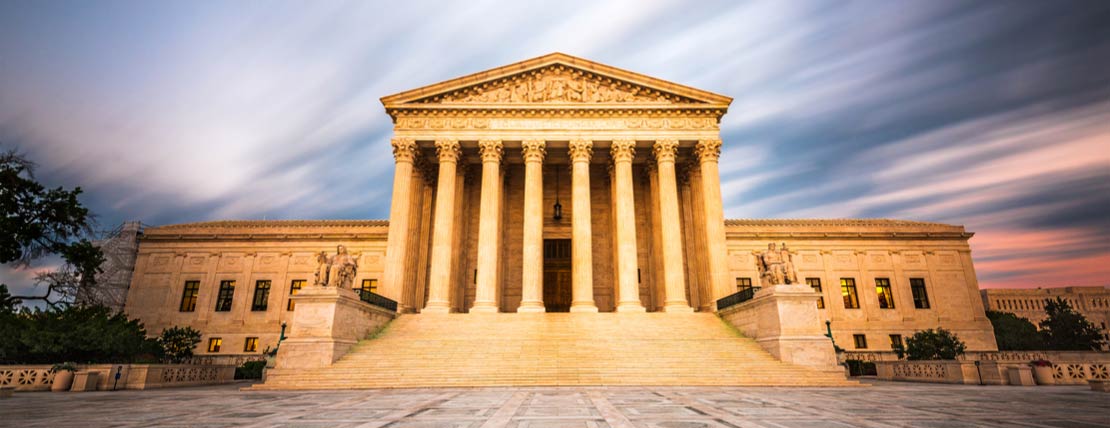
In a landmark 6-3 decision, the U.S. Supreme Court on Monday, June 29, overturned a 91-year-old legal precedent, ruling that the nation’s president can remove the heads of independent federal agencies on an at-will basis.
The originating court case stemmed from a lawsuit filed by Federal Trade Commission (FTC) board member Rebecca Kelly Slaughter after she was fired without cause by President Donald Trump in March 2025.
In tendering their decision, the Supreme Court formally struck down the guidance from Humphrey’s Executor v. United States, a 1935 decision that previously prevented presidents from ousting commissioners at multi-member, independent agencies without cause. More than 50 such agencies exist today.
What Both Sides of the Supreme Court Said
For decades, some legal and political experts had opined that the Humphrey’s Executor precedent was outdated and an unfair bypass of executive power. Other experts, though, claimed it was essential to independent, democratic process because it prohibited the president from imposing personal and/or political retribution on installed agency members.
Those narratives were quite evident in the high court’s 108-page opinion document.
Chief Justice John Roberts delivered the majority opinion (associate justices Samuel Alito, Amy Coney Barrett, Neil Gorsuch, Brett Kavanaugh and Clarence Thomas concurred), stating, “Although it is up to the Senate to decide whether to confirm those with whom the president would prefer to work, neither Congress nor the courts may saddle him with those with whom he cannot work. Subordinates who exercise the president’s power are subject to removal by him. Then, and only then, can they remain accountable to the president, and the president to the people.”
Associate Judge Sonia Sotomayor penned the dissenting opinion (associate judges Elena Kagan and Ketanji Brown Jackson concurred), writing, “Today, this court undoes centuries of political practice and concludes that all three branches of government have been acting in open defiance of the Constitution all this time. Its conclusion is wrong. The text of the Constitution, along with its history, the longstanding practices of the political branches and the precedents of this Court, make clear that Congress may limit the causes for which the heads of commissions like the FTC can be removed by the president. In holding otherwise, the court gives the president a power unknown even to the English Crown against which the founders revolted, elevating him above his once-coequal branches by transforming a duty to take care that the laws be faithfully executed into a license to act in defiance of those very laws. If nothing else, the doctrine of stare decisis, which today’s decision cursorily dismisses, should have made this a profoundly easy case under Humphrey’s.”
Agency oversight has been a major push for President Trump during his second term. On Feb. 18, 2025, he signed “Ensuring Accountability for All Agencies,” an executive order that allowed the White House to have “presidential supervision and control” over independent federal agencies that had traditionally operated outside of its direct influence. (A related fact sheet supported that order.)
The Ramifications of the Ruling on HR Pros
The biggest impact is that the new ruling shifts substantial regulatory power away from insulated agency members and into the hands of the executive branch, affecting those agencies’ abilities to determine policies and practices, and regulate areas such as labor representation, workplace discrimination, pensions, and employee compensation and benefits.
An additional impact is the decision, in effect, validates Trump’s removal of Slaughter. (A separate 5-4 Supreme Court ruling blocked the immediate removal of Federal Reserve Bank governor Lisa Cook without cause while litigation continues in lower courts.)
This situation is important to HR professionals because the decision will serve as precedent to all independent agencies, not just the FTC. Agencies of note for HR pros include:
- The National Labor Relations Board (NLRB), which enforces the National Labor Relations Act (NLRA), conducts elections to determine union representation and investigates allegations of unfair labor practices (e.g., wages, pay rates, working hours, work conditions). The new ruling does conflict with the NLRA, which became law five weeks after Humphrey’s Executor and mirrored the 1935 outcome by stating NLRB members could only be removed for “neglect of duty or malfeasance in office, but for no other cause.”
- The Equal Employment Opportunity Commission (EEOC), which enforces federal laws that prohibit employment discrimination in numerous areas (e.g., hiring, firing, promotions, harassment, training, wages, benefits).
- The Pension Benefit Guaranty Corporation (PBGC), which was created by the Employee Retirement Income Security Act of 1974 (ERISA) to encourage the continuation and maintenance of voluntary private defined benefit pension plans, provide timely and uninterrupted payment of pension benefits, and monitor pension insurance premiums.
- The Securities and Exchange Commission (SEC), which requires public companies to disclose how much they pay their executives, and how that pay relates to corporate financial performance.
- The Social Security Administration (SSA), which assigns Social Security numbers and administers retirement, disability insurance and other benefit programs.
Editor’s Note: Additional Content
For more information and resources related to this article, see the pages below, which offer quick access to all WorldatWork content on these topics:

#1 Total Rewards & Comp Newsletter
Subscribe to Workspan Weekly and always get the latest news on compensation and Total Rewards delivered directly to you. Never miss another update on the newest regulations, court decisions, state laws and trends in the field.