For WorldatWork Members
- 2026 Priorities of Total Rewards Leaders, research
- Two TR Leaders Provide a Personal Take on Their 2026 Priorities, Workspan Daily Plus+ article
- How to Leverage Skills Testing for Total Rewards Success, Workspan Daily Plus+ article
- From Jobs to Skills to Outcomes: Leading the Evolution in Total Rewards, Workspan Magazine article
- From Compensation to Collaboration and Connection, Workspan Magazine article
- WorldatWork Career Center, jobs portal
For Everyone
- Can You Guess the Top 10 Rising Skills for HR Professionals? Workspan Daily article
- What Are the Most Draft-Worthy Total Rewards Skills? Workspan Daily article
- What Are the Top Hard Skills and Soft Skills for Workers in 2026? Workspan Daily article
- Alignment, Market Competitiveness Are TR Leaders’ Top 2026 Priorities, Workspan Daily article
- Organizations Are on the Skills Bandwagon; How TR Can Drive It, Workspan Daily article
- HR’s AI ‘Future’ Is Now; WorldatWork Can Help You Make the Most of It, Workspan Daily article
- WorldatWork Courses, education


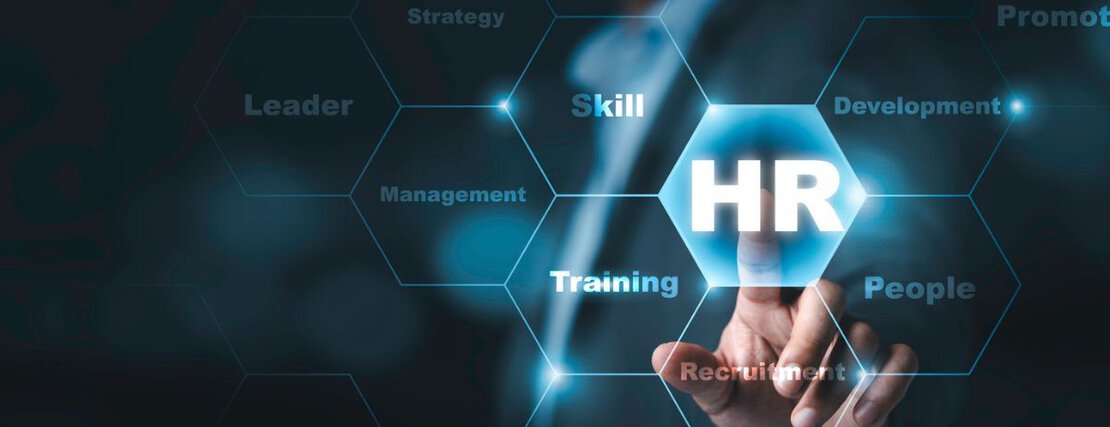
We’re more than halfway through 2026. Six months down, and now less than six more to go. With 2027 emerging on the horizon, Workspan Daily decided to check in with two HR experts to see what, in their opinion, are the critical skills that HR leaders and practitioners will need to possess to help themselves, their teams and their organizations succeed next year.
Those conversations pointed to “hard skills” and “soft skills,” most notably:
- All things tech — and, in particular, artificial intelligence (AI);
- Strategic business proficiency; and,
- “Human”-centric competencies (e.g., resilience, agility, creativity).
Access bonus Workspan Daily Plus+ articles on this subject:
- Get Hands-On to Build Your HR Skill Set in the Back Half of 2026
- The AI Fluency Roadmap: Moving You From End-User to Strategist
All-Important AI Acumen
AI is thoroughly embedded into organizational workflows — and HR professionals who aren’t fluent in its language had better level up.
“AI is no longer emerging — it’s embedded in how work happens,” said Sue Holloway, a content director at WorldatWork. “The ability of workers, including HR pros, to work alongside and collaborate with AI is becoming increasingly important.”
As AI fundamentally reshapes how work gets done, she said you need to understand not just the technology itself but its implications for:
- The workforce;
- Organizational design;
- Workforce skill shifts and skill development; and,
- HR policies and practices.
Holloway added AI fluency — the ability to actually use related tools in day-to-day work — has been a critical HR skill over the past couple years, and will remain so in 2027.
“HR professionals need to develop skills to collaborate effectively with AI, whether for analytics, decision support or process automation,” she said. “As AI becomes embedded in data analytics, decision-making and process automation, those who can leverage technology effectively into problem solving and strategy will have a distinct advantage. The pace of adoption is only increasing, which raises the stakes for building these skills now.”
Strategic Significance
Organizations’ AI integration also is shifting necessary HR skills toward higher-value judgment, strategy and transformation, said Michael Gilmartin, a managing director at consulting firm Deloitte.
“In 2027, HR professionals don’t need to become technologists; however, they do need to become strategic business leaders,” he said.
Gilmartin stated that, in the traditional HR business partner model, work was more transaction-focused and metric-heavy, and many organizations underinvested in the capabilities required to make HR truly strategic.
But as organizations continue to integrate tech, he said the most critical skills for HR will be:
- Business and financial acumen;
- Data and technological fluency; and,
- The ability to design work in a responsible, human-centered manner.
Gilmartin explained that skills that don’t require human judgment, business context, ethical oversight or strategic value (e.g., documentation, repetitive policy interpretation, static reporting, program administration) will take a backseat.
“AI changes the equation because it can generate real-time workforce intelligence or data-driven workforce decision-making, enabling HR to move from reactive support to predictive, business-shaping advice,” he said. “Looking to the future, we see HR professionals moving from process owner to strategic enabler, with data becoming a proactive indicator. This requires HR professionals to interpret real-time workforce intelligence, redesign work and advise leaders with greater mastery.”
Gilmartin said core human skills will remain essential, but they will need to be applied in a more data-driven and technology-enabled environment.
“HR professionals who can connect workforce decisions to business outcomes will be best positioned to lead in the next operating model,” he said.
Uniquely Human Know-How
As hard skills continue to rapidly advance, Holloway recommended that you also remember the importance of the human side of human resources.
“There is a growing importance of ‘human skills’ brought on by the expanding use of AI and other advanced technologies,” she said. “Things such as influence, creativity and innovation, resilience and agility, nuanced decision-making and ethical judgement, and social-emotional intelligence enable HR employees to complement technology rather than compete with it.”
Organizations also continue to shift away from rigid job structures and toward skills-based models. It’s up to HR to identify, map and redeploy organizational and personal skills quickly across the enterprise to keep pace with changing business needs, Holloway said.
Agility and the ability to manage and lead change also will be keys in 2027.
“HR is at the center of ongoing transformation,” Holloway said. “Having the wherewithal to guide organizations through continuous change while sustaining engagement, culture and performance is critical and becoming a core capability for the function.”
Editor’s Note: Additional Content
For more information and resources related to this article, see the pages below, which offer quick access to all WorldatWork content on these topics:

#1 Total Rewards & Comp Newsletter
Subscribe to Workspan Weekly and always get the latest news on compensation and Total Rewards delivered directly to you. Never miss another update on the newest regulations, court decisions, state laws and trends in the field.