What can we help you with today?
Filter by Topics
Filter by Category
Found 187 results

Workspan Daily
10/09/2025
“The organization can gain better access to needed talent without always having to look outside its walls, and workers are provided with clear opportunities for growth and mobility that may have been previously hidden from them,” he said.;
Editor’s Note: Additional Content
For more information and resources related to this article, see the pages below, which offer quick access to all WorldatWork content on these topics:
;Employee Benefits;
;Employee Experience;
;Employee Recognition;
;Workforce Engagement;Career Growth;
#1 Total Rewards & Comp Newsletter
Subscribe to Workspan Weekly and always get the latest news on compensation and Total Rewards delivered directly to you.
Author(s):

Workspan Daily
11/05/2025
Workspan Daily Plus+ article;Address Gen Z Struggles with Targeted Mental Health Benefits , Workspan Daily Plus+ article;How to Understand What Matters Most to Job Candidates , Workspan Daily Plus+ article;Pivot on Pay: Getting Creative to Attract and Incentivize Talent , Workspan Magazine article;Strategic Benefits: How Employee Benefits Can Create a Sustainable Competitive Edge , Journal of Total Rewards article; For Everyone What Gen Z and Millennials Want: How to Attract and Retain Them , Workspan Daily article;How Gen Z is Redefining Total Rewards , Workspan Daily article;How to Get Gen Z On Board with Employee Benefits , Workspan Daily article;Gen Zers and Millennials Are Increasingly Rejecting Corporate Loyalty , Workspan Daily article;Young Workers Opting for the Job-Hop Instead of the Climb , Workspan Daily article;
A recent
Wall Street Journal columnist’s claim that Generation Z is “unemployable” has sparked debate about what employers should do to equip
Author(s):

Workspan Daily Plus+
03/24/2026
., Global Caution , Workspan Daily article;Compensation Immersion Program , course;Certified Compensation Professional , certification;
When you are new to compensation, it’s easy to get overwhelmed by the wall of data you see on a salary survey.
Author(s):

Affiliate Chapter Event

Workspan Daily
02/22/2022
Workers’ tolerance
for bad bosses, tough schedules and even dressing for and commuting to work has
hit a wall.
Author(s):

Workspan Daily
07/14/2023
Hollywood Actors Will Join Writers on Strike Negotiations between the actors union and Hollywood studios on a new labor contract stalled late Wednesday night, clearing the way for performers to join striking writers in a standoff, the Wall Street Journal reports .

Workspan Daily
05/21/2025
Too much to do, too little time, blah blah blah…
You may not have the workday wherewithal of Wardle, who over a 3.5-hour lunch “a long, long, long time ago” sat at a table with five cohorts and hammered out the storylines, scripts and character development for Disney classics “Finding Nemo,” “Wall-E,” “Cars,” “Monsters Inc.” and “Toy Story” — perhaps setting power-lunch productivity records in the process.
Author(s):

Workspan Daily
02/15/2022
As the Wall Street Journal recently pointed out , the rate of people quitting jobs in private educational services “rose more than in any other industry in 2021, according to federal data.”
Author(s):

Workspan Daily
04/07/2023
Diaz had accused Tesla of failing to act when he repeatedly complained to managers that employees at the Fremont, California, factory frequently used racist slurs and scrawled swastikas, racist caricatures and epithets on walls and work areas.
Author(s):
Workspan Daily
10/27/2023
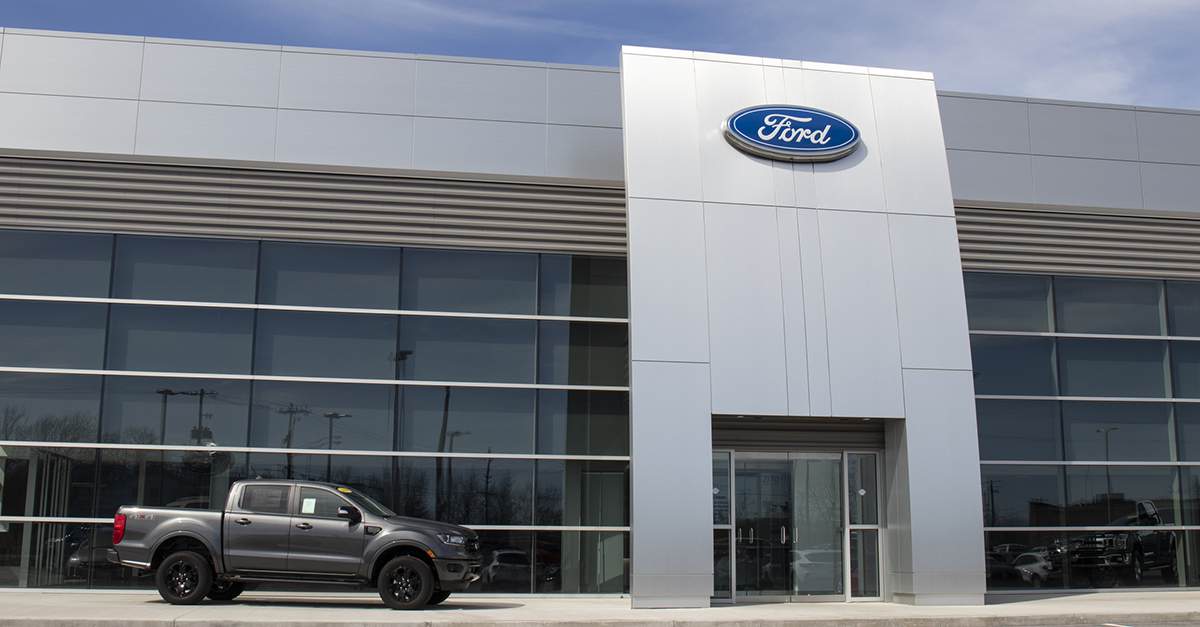
The United Auto Workers secured a new tentative labor deal with Ford Motor Wednesday night, potentially ending a six-week strike, the Wall Street Journal reports .