What can we help you with today?
Filter by Topics
Filter by Category
Found 545 results

Course
Certification Requirement
CCP: Required Exam
GRP: Required Exam
Recertification Course Credits
WorldatWork Recertification Credits
Course and Exam Credits
;11 Compensation Credits;
;
Exam Only Credits
;2 Compensation Credits;
;
CEUs
0.9 Credits
HRCI Recertification
9 Credits
SHRM Recertification
9 Credits
BEST VALUE
30% Savings
CCP® Course and Exam E-Learning Bundle
Includes all 8 courses and exams
$976.50 USD/per course ($7,812 for all 8 courses
Press Release
11/15/2022
The top three reasons why you should engage with your local affiliate: 1) exchange of ideas and experiences with colleagues in your area, 2) strengthen your expertise in seminars, training and events held near you, and 3) further develop your career through new professional connections.

Workspan Daily
07/07/2023
The strike started July 2 when thousands of hotel workers walked off their jobs, demanding higher pay and better benefits in what their union called the largest strike in its history.
Workspan Daily
08/03/2023
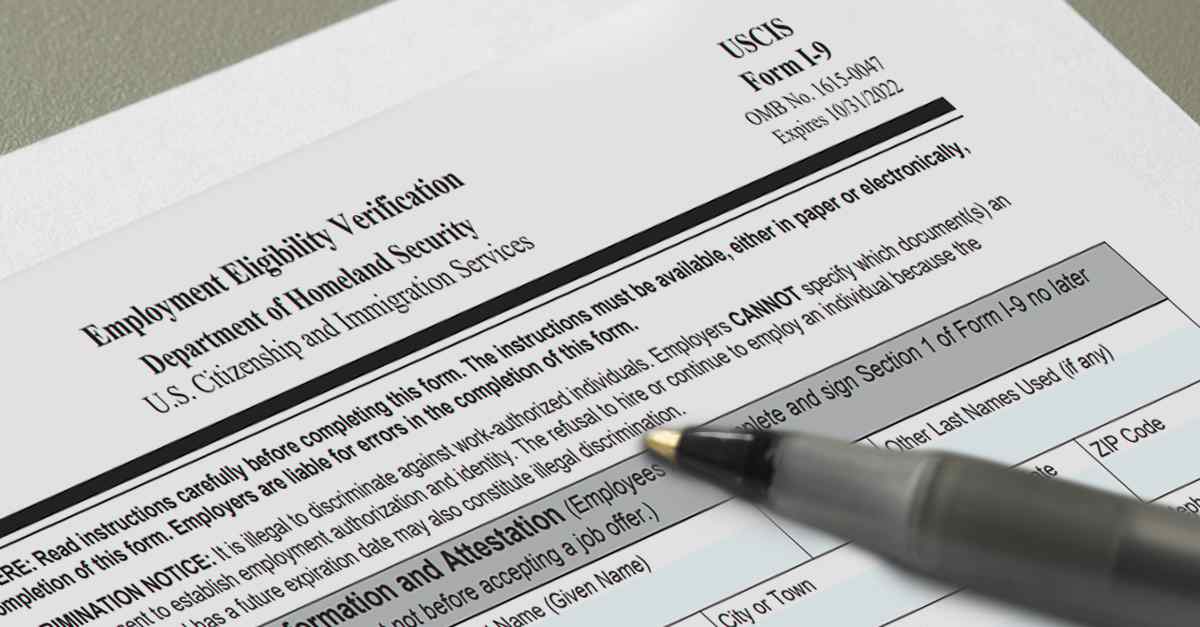
But an employer that was not enrolled in E-Verify when it performed a remote examination of an employee’s Form I-9 documentation under the COVID-19 flexibilities between March 20, 2020, and July 31, 2023, must complete an in-person physical document examination by Aug. 30, 2023, and the Form I-9 must be annotated with the date the in-person physical document examination took place in Section 2, Additional Information field.
Author(s):

Workspan Daily Plus+
01/05/2026
Step 2: Communicate the Value of Non-Monetary Rewards
Acknowledge how difficult it is for your employees to bring up pay and how challenging it can be for them to not get the increases they’re asking for, Dwyer said, but also reinforce the
other incentives and rewards available to them.
Author(s):

Workspan Daily
06/09/2022
.; 2.
Author(s):

Workspan Daily
09/08/2022
.;
Employment has continued to trend up with an increase of an additional 2 million open jobs in the United States from April 2021 to May 2022.
Author(s):

Workspan Daily
01/25/2023
The act is divided into two main sections: Section 1 makes it illegal to form conspiracies that restrain trade, while Section 2 targets monopolization.)
Author(s):

Workspan Daily
04/26/2023
Other Key Findings: Organizations plan to increase flexibility. 50% of organizations plan to increase flexibility incrementally, while 6% plan to increase flexibility significantly and 2% plan to move to complete flexibility (within guardrails).
Author(s):
Workspan Daily
07/28/2023
The world’s largest brewer, which also sells Stella Artois and Budweiser, on Wednesday said the cuts would affect less than 2% of its roughly 18,000 U.S. employees.