What can we help you with today?
Filter by Topics
Filter by Category
Found 1622 results

Workspan Magazine
02/09/2024
Data from Jan. 1, 2023 to Jan. 1, 2024.
Author(s):

Workspan Daily
08/13/2025
Trusaic also found organizations with less than $1 billion in annual revenue are just as likely to be fully transparent as those with more than $30 billion.
Author(s):

Workspan Daily
09/02/2022
The bill was vehemently opposed by the fast-food industry.

Workspan Daily
07/08/2022
According to internal memos seen by CNBC, Peloton told employees that eligible team members will have their post-IPO options repriced to Peloton’s closing price on July 1 of $9.13.

Workspan Magazine
04/08/2026
One of the ways we do that is through a really structured annual review process for hourly team members, which seems like table stakes in most industries but is not in the restaurant industry.
Author(s):
Workspan Daily
03/19/2025
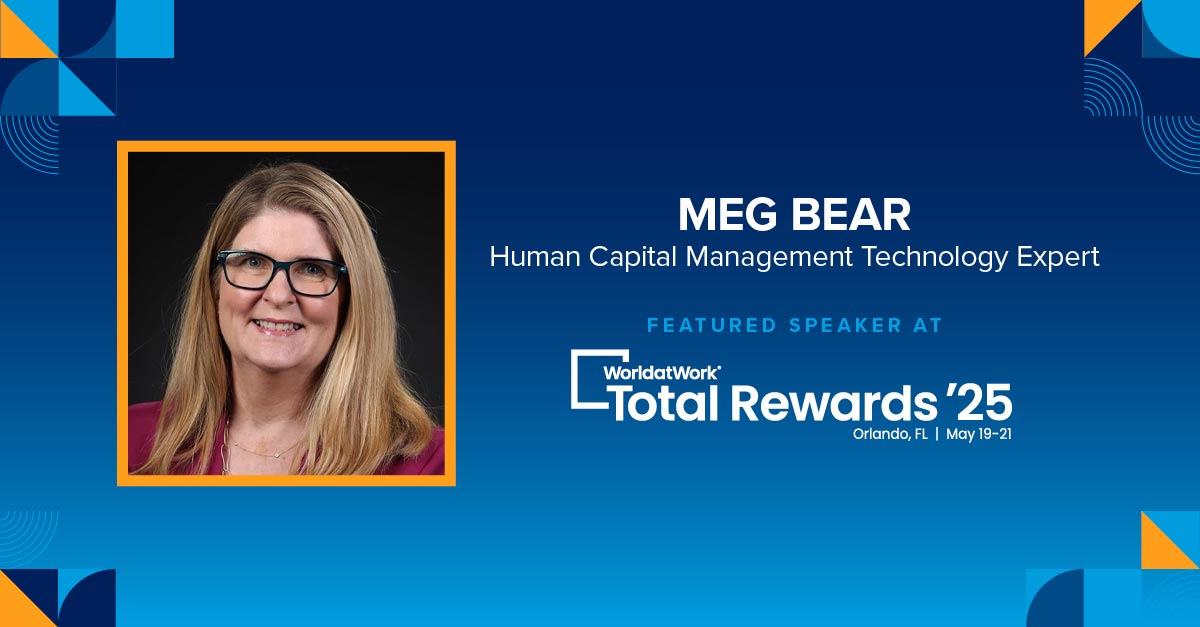
Workspan Daily Editor Paul Arnold recently connected with this industry leader to talk about the technologies and related trends shaking up HR departments and their total rewards (TR) professionals.
Author(s):

Workspan Daily
09/07/2023
Student loan payments resume Oct. 1, which is likely to increase stress among millions of U.S. employees carrying sizable debt.
Author(s):

Workspan Daily
11/11/2022
“Furthermore, employees working in high tech are typically paid higher salaries with more generous benefits like free food than those in industries like retail and hospitality where profit margins tend to be thinner, and more rigor around labor spend is needed to ensure profitability,” he said.
Author(s):

Workspan Daily
02/15/2022
Educators' ability to absorb and transmit information quickly manage stress and multitask are in-demand skills that are helping former teachers land roles in a variety of industries.
Author(s):

Workspan Daily
08/08/2025
Wes Moore
signed House Bill 102 (H.B. 102), which:
;Modified the FAMLI program, first established by the
Time to Care Act in 2022;;
;Pushed the start of contributions from July 1, 2025, until Jan. 1, 2027;;
;Adjusted the availability of benefits from July 1, 2026, to between Jan. 1, 2027, at the earliest and Jan. 3, 2028, at the latest;;
;Repealed certain requirements for participating self-employed individuals; and,;
;Defined an “anchor date” for the calculation of a covered employee’s average weekly wage and eligibility for increases in weekly benefits.;
Once implemented, the program will cover all employers in the state with at least one employee and will be funded by both employer and employee contributions.
Author(s):