What can we help you with today?
Filter by Topics
Filter by Category
Found 477 results

Workspan Magazine
01/04/2021
More than 30% of employees surveyed by Pathways at Work reported high levels of stress and anxiety, noting their symptoms had not resolved with businesses’ reopening efforts.
Author(s):

Workspan Daily
08/25/2022
Payroll represents 30% or more of most organizations’ total expenses, and it increases by approximately 3% annually.
Author(s):

Workspan Daily
12/11/2024
“Seventy-two percent of employees say they’d rather work in a job where they feel supported and valued over one with a 30% pay increase, so it’s no surprise that organizations with strong thank-you cultures see higher employee retention,” Harvey said.
Author(s):
Workspan Daily
03/17/2025
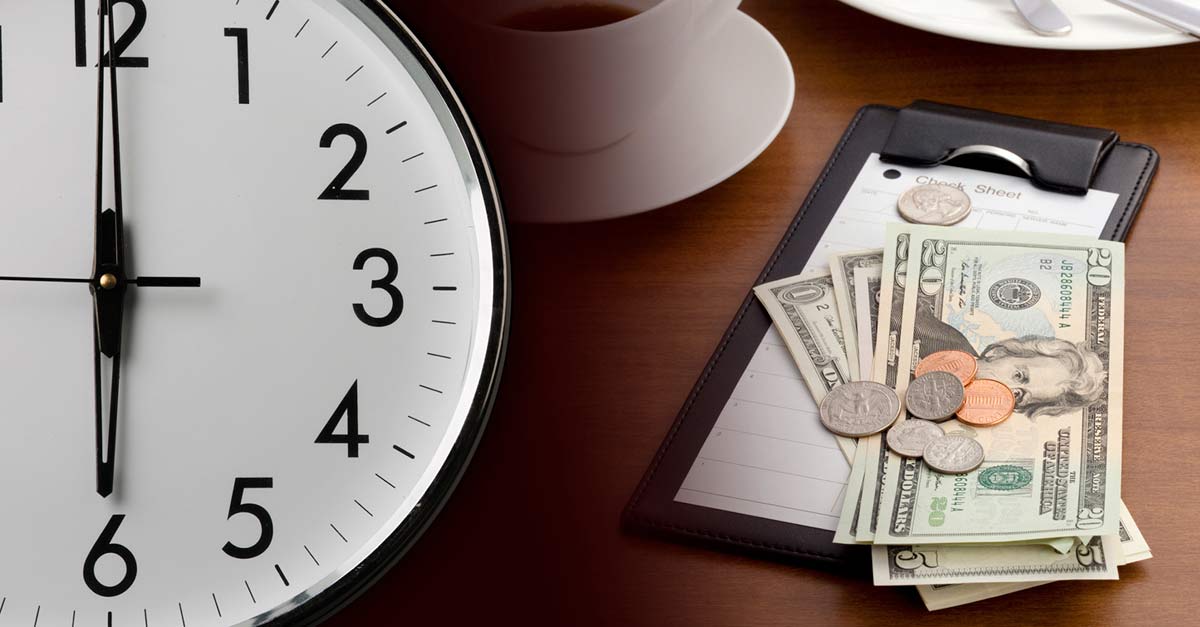
The Fair Labor Standards Act (FLSA) defines a tipped worker as someone who “engages in an occupation in which he or she customarily and regularly receives more than $30 per month in tips.”
Author(s):

Workspan Daily
04/23/2025
In fact, DDI’s report found only 30% of leaders felt they had enough time to do their job well.
Author(s):
Workspan Daily
03/05/2026
Our research shows 30% of organizations are already replacing roles with AI or seriously considering it, though 59% say they don’t plan to replace workers.
Author(s):

Workspan Daily
03/27/2026
.;
However, nearly 30% of all American workers agree or strongly agree that they “feel stuck” in their current job.
Author(s):

Workspan Daily
08/19/2025
In addition, enhancements on the rise include employer coverage of doula services (36%), services to treat postpartum depression (55%), initiatives to support high-risk pregnancies in under-resourced populations (43%) and group-based prenatal care (30%).”
Author(s):

Workspan Magazine
12/03/2025
“These options can result in savings of up to 30%, decreased balanced-billing rates and improved member experience compared with older models of reference-based pricing,” the consultants noted.
Author(s):

Workspan Daily
05/25/2023
The first phase addresses the very structure of time: Every scheduled meeting is now 20 minutes (instead of 30 minutes) or 50 minutes (instead of 60 minutes) in order to build in a physical break between events.
Author(s):