For WorldatWork Members
- Cannabis Conundrum — To Test or Not to Test, Workspan Magazine article
- Compliance Checklist When Vetting a New State for Business Expansion, Workspan Daily Plus+ article
- When Must an Employer Offer Benefits to Part-Time Employees? Workspan Daily Plus+ article
- State Laws Comparison Tool, tool
For Everyone
- As More States Legalize Marijuana, Where Should Employers Stand with Drug Testing? Workspan Daily article
- New California Marijuana Laws Reflect Continuing Workplace Changes, Workspan Daily article
- Reducing Risks and Complexity Associated with Independent Contractors, Workspan Daily article


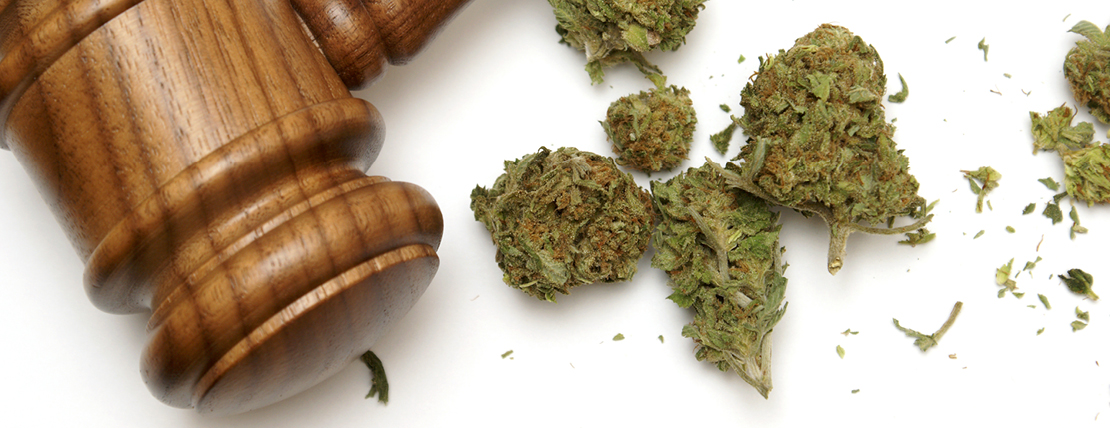
A U.S. Second Circuit Court of Appeals panel on Thursday, March 5, ruled that employers and their insurance carriers need not cover the cost of prescribed cannabis edibles under federal workers’ compensation laws.
The court based its decision on the federal Controlled Substances Act of 1970, which lists marijuana as a Schedule I drug with “no accepted medical use.” As such, the purchase of marijuana-related treatments can’t be considered a “reasonable and necessary” medical expense, regardless of legalization trends occurring at the state level.
Cannabis is currently legal for medical purposes in 40 U.S. states, the District of Columbia and four U.S. territories. In addition, 10 other states have laws that allow restricted, low-tetrahydrocannabinol (cannabidiol-focused) products. Recreational marijuana is fully legal in 24 states.
Origins and Opinions
The court case (Luis Peña Garcia v. Director, Office of Workers’ Compensation Programs, U.S. Department of Labor, IMS Insurance Company of Puerto and Calzadilla Construction Corporation) involved a permanently disabled construction worker in Puerto Rico who sought reimbursement for cannabis-infused edibles to treat his chronic pain. The plaintiff sought to have the edibles deemed a legitimate medical expense under the Longshore and Harbor Workers’ Compensation Act (LHWCA). The Department of Labor and its Benefits Review Board denied the coverage request in separate rulings, citing the Controlled Substances Act. The case was received by the Second Circuit, which handed down last week’s decision.
Circuit Judge William J. Nardini, writing for the three-judge panel, stated in the 11-page decision document, “Peña argues that state law has trended toward reimbursement of claims for medical marijuana in state worker’s compensation regimes. Perhaps so. But state policies on medical marijuana bear no relation to whether medical marijuana can be reimbursed under federal law. The Supreme Court in [Gonzales v. Raich] acknowledged that where federal regulations of controlled substances are more stringent than state analogs, the restrictions imposed by federal law govern. The mere existence of more permissive state policies regarding medical marijuana, therefore, does not constrain federal law. … This court is obliged to apply the law as it currently stands.”
The court did, however, leave the door slightly open for future reinterpretation, stating, “It may very well be the case that the federal government will at some point — perhaps even in the near future — remove marijuana from Schedule I of the CSA. But that is a decision for the political branches of the federal government, not for the judiciary.”
Editor’s Note: Additional Content
For more information and resources related to this article, see the pages below, which offer quick access to all WorldatWork content on these topics:

#1 Total Rewards & Comp Newsletter
Subscribe to Workspan Weekly and always get the latest news on compensation and Total Rewards delivered directly to you. Never miss another update on the newest regulations, court decisions, state laws and trends in the field.