For WorldatWork Members
- Beyond the H-1B: Win Without the Lottery, Workspan Daily Plus+ article
- Rewards Roundtable — A Global Perspective, Workspan Magazine article
- Location, Location, Location: The State of Geographic Pay Differentials, Workspan Magazine article
- Global Compensation — Taming a Complex Challenge, Workspan Magazine article
- Pay Equity Planning Guide, tool
For Everyone
- Managing Remote Work in the Middle East, Workspan Daily article
- Immigration Law at Work: What Employers Should Understand, Workspan Daily article
- Customization, Creativity Driving Workplace Talent Mobility Strategies, Workspan Daily article
- How H-1B Changes Could Shift Talent Strategies, Workspan Daily article
- Managing Global Total Rewards, course


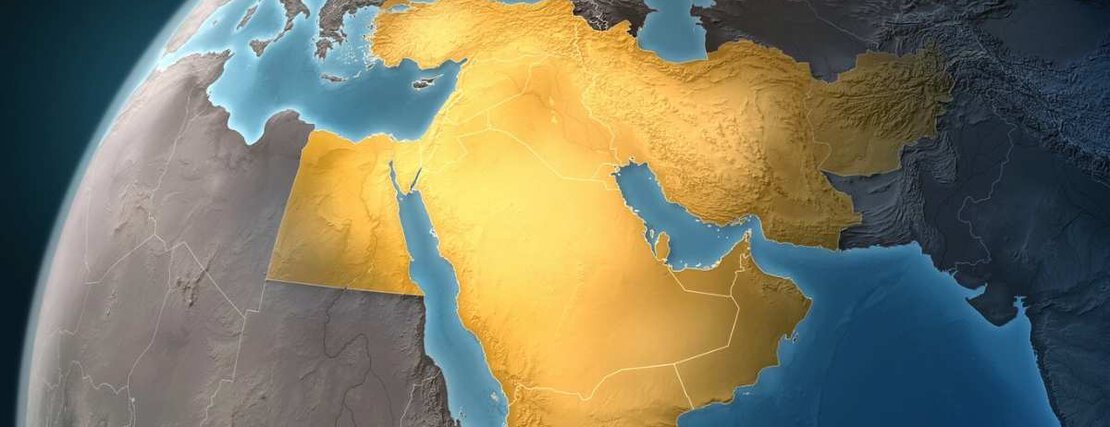
The effects of war, such as the current conflict in the Middle East, can infiltrate the workplace. And for employers with workers located in directly impacted countries, it may be difficult to know how to help.
Emergency plans and resources designed for any type of disruption — including severe weather events, public health crises or infrastructure outages — also can apply to military-related activities, said Sue Holloway, CCP, CECP, a content director at WorldatWork.
Total rewards outlays may include:
- Crisis response services, communication plans, insurance coverage, medical care, food, transportation and childcare.
- Access to pay when banking or payroll are disrupted.
- Emergency leave, absence management and other expanded benefits.
- Emergency savings accounts or relief funds, loans, and housing or relocation assistance.
- Remote work, flexible schedules, alternative worksites and other accommodations.
- Work-process support.
“Even when HR doesn’t have direct experience with a specific conflict or region, these principles provide a strong foundation,” Holloway said. “Employees remember not just what their employer did but how they showed up — with empathy, consistency and clear communication — during moments that matter.”
Access bonus Workspan Daily Plus+ articles on this subject:
- Impacted from Afar: Supporting Employees with Ties to War Zones
- In the Crossfire: Compliance Risks When Global Employees Must Flee
Find Ways to Extend Flexibility
Peter Bamberger lives in Haifa, Israel, not far from the Lebanon border. His home has been recently impacted by both the Iran war and the current Israel-Hezbollah conflict.
“One of the things we experienced in the conflict is missiles in the middle of the night that stopped people from sleeping,” said Bamberger, a professor in the Coller School of Management at Tel Aviv University and the immediate past president of the Academy of Management. “Starting work at 8 in the morning wasn’t feasible.”
Policies requiring a certain number of in-office days should be the first thing to go, if possible, Bamberger said. Workers may feel safer working from home, and they may have children at home due to school closures. Flexibility in work location and timing also may provide psychological relief, as the lack of sleep and heightened anxiety can impact work productivity.
Understand that Travel Will Look Different
When the current war in the Middle East first broke out, many companies rushed to pull expatriates out of the area. But others, like Bamberger, were trying to get home to their families in the affected countries.
Practical resources like communication hubs for workers to share travel tips, or direct assistance with travel arrangements, are certainly meaningful. But employers also should loosen the reins when it comes to travel budgets and standard processes, Bamberger said.
“How do I handle the reimbursements? How much time do I have to put in to explain to a manager why I did this, even though I said I was going to do that?” he said. “There needs to be enhanced flexibility in travel arrangements for multinational organizations operating in these areas because travel is a nightmare.”
Make Sure Your Help Is Actually Helpful
Don’t make assumptions about what your employees in the Middle East need right now, said Leanne Marega, who is based in the U.K. and works as CEO of Thrive Worldwide, a global organization offering well-being and leadership support services.
Explore localized approaches, taking into account the broad cultural diversity across Middle Eastern countries. Employee assistance programs may not be what’s needed, especially if they involve calling a number in the U.K. or U.S. that feels detached from these employees’ daily realities. Instead, ask your workers what they actually need.
“Look for alternatives and find support that’s suitable so this isn’t a tick-the-box exercise, it’s genuine care,” Marega said.
Avoid resuming a “business as normal” attitude after putting resources into place. Prepare your managers to have these conversations. Offer, and normalize the use of, mental health and trauma resources — not just now, but well into the future.
“As managers, leaders and HR, don’t forget this is not normal if you’re living in Iran, Lebanon or Israel right now, or if you’re living in many different locations where you’re hearing sirens going off and you’re having to take shelter because there’s potentially another attack,” Marega said. “Whether you have to diarize it or add it to your regular HR meetings, keep asking the questions, ‘How are people doing?’ ‘What are we observing?’ ‘What can we be doing to support people?’”
Editor’s Note: Additional Content
For more information and resources related to this article, see the pages below, which offer quick access to all WorldatWork content on these topics:

#1 Total Rewards & Comp Newsletter
Subscribe to Workspan Weekly and always get the latest news on compensation and Total Rewards delivered directly to you. Never miss another update on the newest regulations, court decisions, state laws and trends in the field.