For WorldatWork Members
- When Your First Day in HR Is as CHRO: Making the Leap Work, Workspan Daily Plus+ article
- The Advantages and Challenges of Working with a Non-HR CHRO, Workspan Daily Plus+ article
- How Employers Can Help Prevent Burnout for HR/TR Leaders, Workspan Daily Plus+ article
- 2026 Priorities of Total Rewards Leaders, research
For Everyone
- CHRO Churn Is High; First-Timers and Non-HRers Are Grabbing Roles, Workspan Daily article
- AI Emphasis Among HR Executives’ Primary Focuses for 2026, Workspan Daily article
- How Inflation Impacts Compensation (and What You Can Do About It), Workspan Daily
- COLA, Currency, Comp: How TR Leaders Are Handling the New World Order, Workspan Daily article
- Geographic Pay Strategies, course


Workforce strategy is no longer shaped primarily inside organizations. Increasingly, it is being defined by external forces, including geopolitical shifts, economic volatility, technological disruption and regulatory change.
That was a central theme from WorldatWork’s recent India CHRO Leaders Roundtable series, where senior HR executives discussed how macro-environment forces viewed through the PESTEL analysis framework (political, economic, social, technological, environmental and legal) are directly influencing how organizations attract, develop and retain talent.
Leaders in attendance (on Feb. 10 in Mumbai and Feb. 12 in Pune) emphasized that these forces are no longer distant trends — they are actively shaping day-to-day workforce decisions and management priorities. External conditions, they noted, have shifted from background context to primary drivers of workforce strategy.
This article shares high points and deep-dive insights from these events.
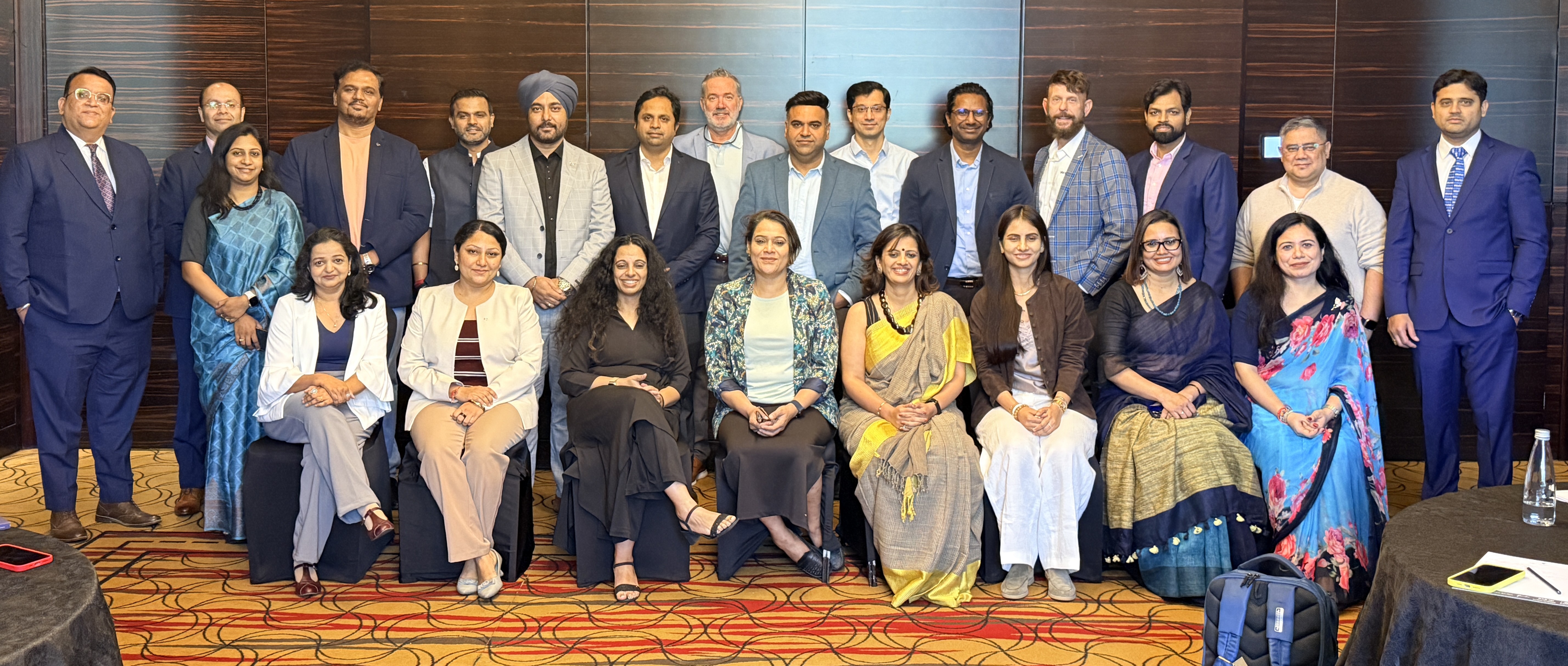
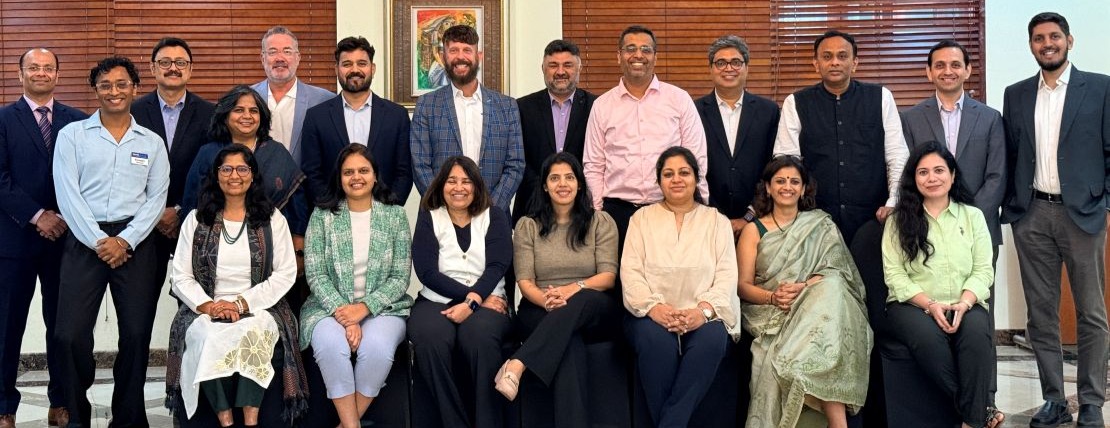
Group photo from WorldatWork’s CHRO Leaders Roundtable in Pune, India, on Feb. 12.
External Pressures Are Moving Faster than Organizational Cycles
Roundtable attendees observed that organizations are navigating a convergence of changes, where inflation, regulatory reform, rapid artificial intelligence (AI) adoption, demographic shifts, climate disruption and geopolitical uncertainty are unfolding simultaneously.
These forces are accelerating faster than traditional workforce planning cycles were designed to manage. Many CHROs acknowledged annual planning models built on stable assumptions are becoming less relevant. Instead, organizations must continuously interpret external signals and translate them into talent actions in almost real time, a capability increasingly seen as critical for business continuity and competitiveness.
A Structured Lens for Complexity: Why PESTEL Matters for HR
The PESTEL analysis framework serves not merely as a theoretical construct but as a practical leadership lens that enables HR executives to systematically assess external conditions and translate them into workforce implications within an operating context (such as that experienced in India).
|
Dimension |
Implications |
|
Political |
Global tensions, trade policy shifts and visa norms influencing talent mobility and cross-border workforce deployment |
|
Economic |
Inflation, salary benchmarking pressures and cost optimization mandates shaping compensation and hiring decisions |
|
Social |
Multigenerational workforce expectations, hybrid work preferences, and an increasing focus on well-being and purpose |
|
Technological |
AI-driven role redesign, automation and accelerating skill obsolescence |
|
Environmental |
Climate risks and sustainability expectations affecting business continuity and employer brand perception |
|
Legal |
Evolving wage codes, data privacy requirements and global pay transparency regulations expanding compliance responsibilities |
Viewed through these six dimensions, the framework enables HR leaders to move beyond reactive problem-solving toward more anticipatory and strategically aligned workforce design.
Why HR’s Strategic Role Is Expanding
The growing influence of external forces is increasingly elevating HR’s role across the enterprise. Workforce readiness — not just workforce size — is emerging as a critical business priority.
Among these forces:
- Economic pressures are shaping compensation expectations;
- Regulatory developments are expanding governance requirements;
- Technology is redefining jobs and skills;
- Social shifts are influencing culture and flexibility; and,
- Environmental factors are affecting location strategy and risk planning.
Collectively, they are repositioning HR from an operational support function to a strategic advisor that helps guide enterprise decisions.
Common Challenges Emerging Across Organizations
Despite representing diverse industries, roundtable attendees described several shared challenges:
- Skills are becoming obsolete faster than organizations can reskill.
- Workforce expectations are evolving faster than policies.
- Talent mobility is being affected by geopolitical uncertainty and security risks such as terrorism.
- Employer value propositions are being shaped by sustainability and purpose priorities.
- Compliance requirements are expanding across regions.
- Data privacy concerns and rising cyber threats, including hacking risks, are increasing governance and workforce protection responsibilities.
Leaders emphasized these pressures are interconnected, meaning responses must be integrated rather than addressed in isolation.
How CHROs Are Responding
While challenges were widespread, attendees shared clear evidence of proactive action. Several approaches emerged consistently across organizations, including:
- Skills-based workforce design. Organizations are shifting from rigid role structures toward capability-based models that allow talent to be deployed dynamically as business needs change.
- Embedded learning ecosystems. Continuous development is replacing episodic training, with learning increasingly integrated into daily workflows to keep pace with technological change.
- Analytics-driven workforce planning. HR teams are using predictive insights to anticipate capability gaps, guide hiring strategies and prioritize reskilling investments.
- Modernized rewards strategies. Compensation frameworks are being refined to reflect skills, impact and market realities rather than tenure alone.
- Leadership capability investment. Organizations are prioritizing leaders who can manage ambiguity, communicate transparently and guide teams through uncertainty.
The CHRO Mandate Is Changing
One of the strongest discussion themes was the transformation of the CHRO role itself. Attendees described a shift from policy stewardship to enterprise strategy leadership.
Today’s CHRO is increasingly expected to interpret external developments, assess workforce implications and advise executive teams on how talent strategy should evolve. The role now demands not only HR expertise but business acumen, data fluency and enterprise-level decision-making capability.
Designing for Adaptability, Not Stability
If there was a unifying conclusion from the roundtable, it was that stability is no longer the benchmark of effective workforce strategy — adaptability is.
Organizations most likely to sustain performance in this environment are those building systems capable of evolving continuously, whether in response to market disruption, technological advances or shifting employee expectations. HR executives play a central role in designing these adaptive systems by aligning talent, learning, rewards and culture with external realities.
A Practical Takeaway for HR Leaders
Participants generally agreed organizations that monitor external signals early and act decisively are better positioned to attract talent, retain capability and maintain performance through disruption.
The discussions reinforced a broader insight: The future of work will not be determined solely by external forces but by how effectively organizations prepare their people to respond to them.
Editor’s Note: Additional Content
For more information and resources related to this article, see the pages below, which offer quick access to all WorldatWork content on these topics:

#1 Total Rewards & Comp Newsletter
Subscribe to Workspan Weekly and always get the latest news on compensation and Total Rewards delivered directly to you. Never miss another update on the newest regulations, court decisions, state laws and trends in the field.