What can we help you with today?
Filter by Topics
Filter by Category
Found 12 results

Workspan Daily Plus+
01/22/2025
Many pet owners consider their dogs, cats and other animals as part of the family, and leaving those pets at home to work in the office can stress the animals and humans alike, resulting in higher medical and vet bills, walking and boarding fees, and more.
Author(s):

Workspan Daily
06/16/2022
Both laws have a “cat’s out of the bag” feeling to them if you’re an organization looking to expand your talent pool.
Author(s):
Workspan Daily
07/08/2024
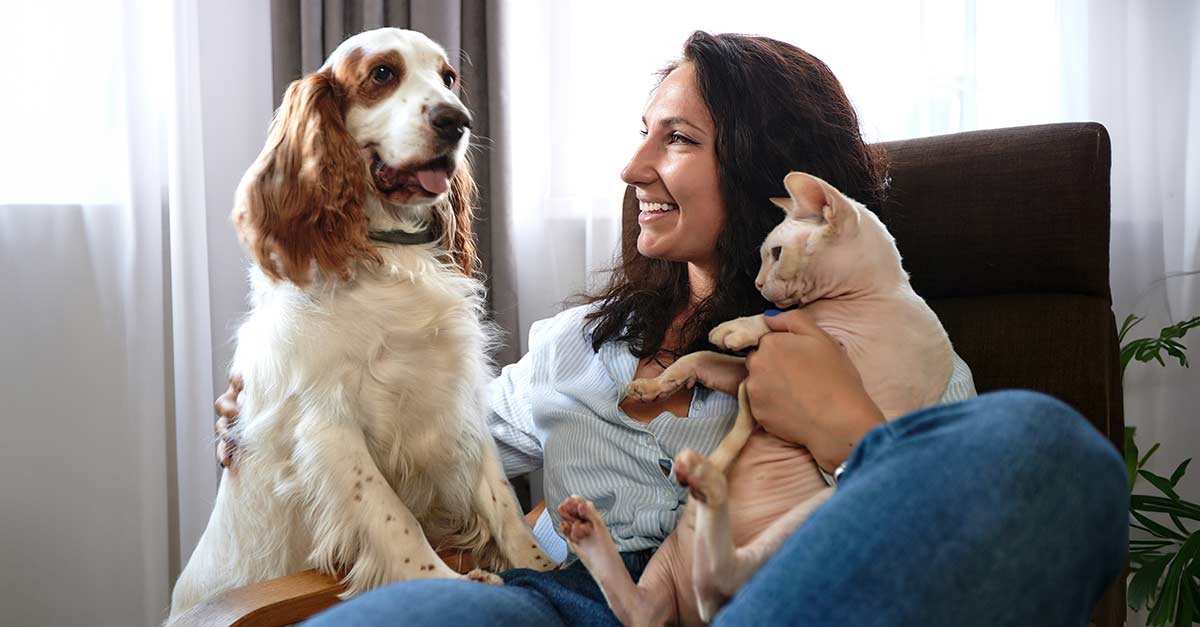
NAPHIA executive director Kristen Lynch noted the 25.7% average policy growth rate in the North American market over the past five years demonstrates pet owners increasingly understand the value of — and need for — this type of insurance, which is important considering: These owners, in aggregate, have more than 170 million pets (dogs, cats, etc.)
Author(s):

Workspan Daily
08/04/2023
However, workers of all ages benefit from the offering, from young employees who consider their cat their family, to families who added a pet during the pandemic, to empty nesters looking for companionship.
Author(s):

Workspan Daily
03/05/2025
At many organizations, the last few days of a cycle are aptly described as a time for “herding cats,” managing exceptions and putting out fires.
Author(s):

Workspan Daily
07/22/2022
Simply allowing more breaks and providing sun cream and
protective clothing, such as hats with neck covers, can help reduce this risk.

Workspan Daily
05/24/2022
If employees are working in a solo capacity that doesn’t require collaboration, they are encouraged to work from home.
Author(s):

Workspan Daily
06/18/2025
This may include coverage for acupuncture, hormone replacement therapy (HRT) and vaginal creams.;
;Ongoing care.
Author(s):
Workspan Magazine
06/13/2024
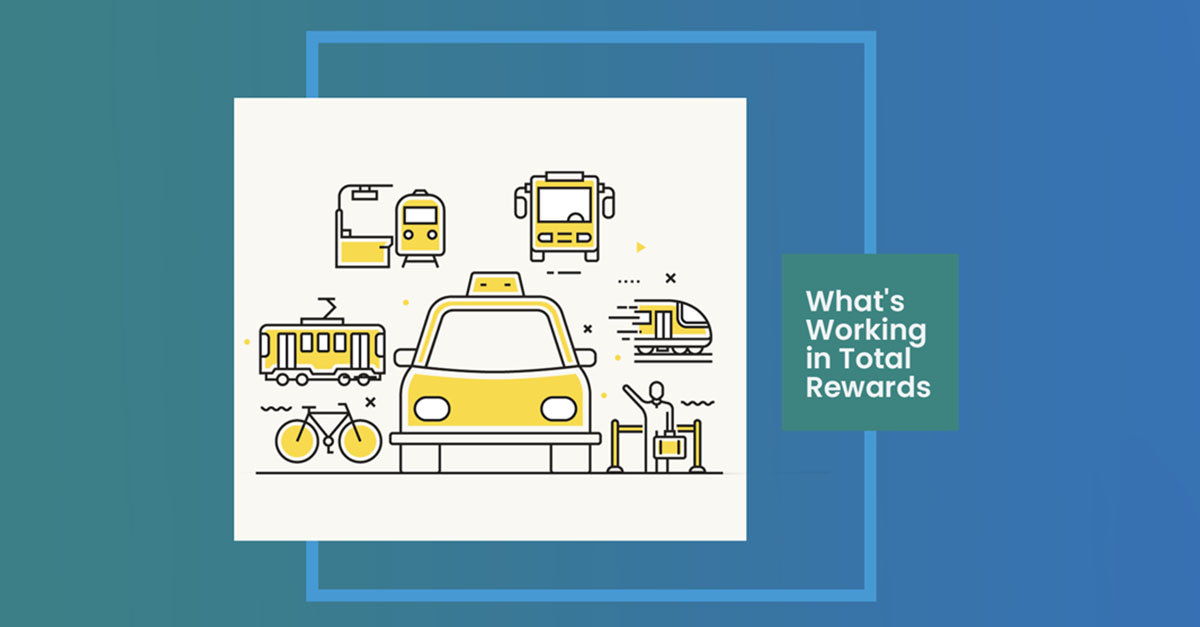
The goal: To reduce the number of employees driving solo to work from 38% to 30% by 2030.
Author(s):
Workspan Daily
06/15/2022
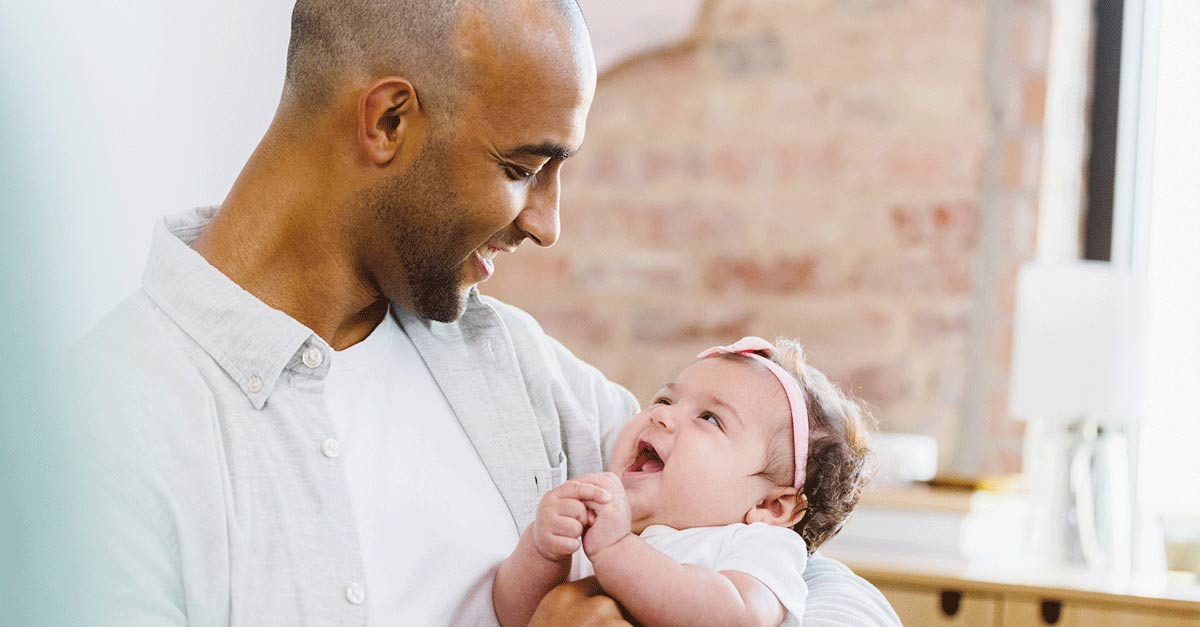
The resulting lack of time “flying solo” caring for infants leads to lower levels of confidence and competence in caregiving among men, while mothers often spent several months at home becoming the primary caregiver.
Author(s):