What can we help you with today?
Filter by Topics
Filter by Category
Found 1619 results

Workspan Daily
02/01/2023
Kelly Cardin, a shareholder in Ogletree Deakins’ New York and Stamford, Connecticut, offices, explains that pay transparency laws seek to promote pay equity by requiring employers to inform candidates what employers are willing to pay for a position.
Author(s):

Workspan Daily
05/09/2024
Here’s what the new law means for employers in California — and, perhaps, beyond.
Author(s):

Workspan Daily
09/09/2022
The notice proposes to rescind and replace the joint-employer rule that took effect on April 27, 2020, with the recommended changes intended to “explicitly ground the joint-employer standard in established common law agency principles, consistent with Board precedent and guidance that the Board has received from the U.S.
Workspan Daily
03/25/2026
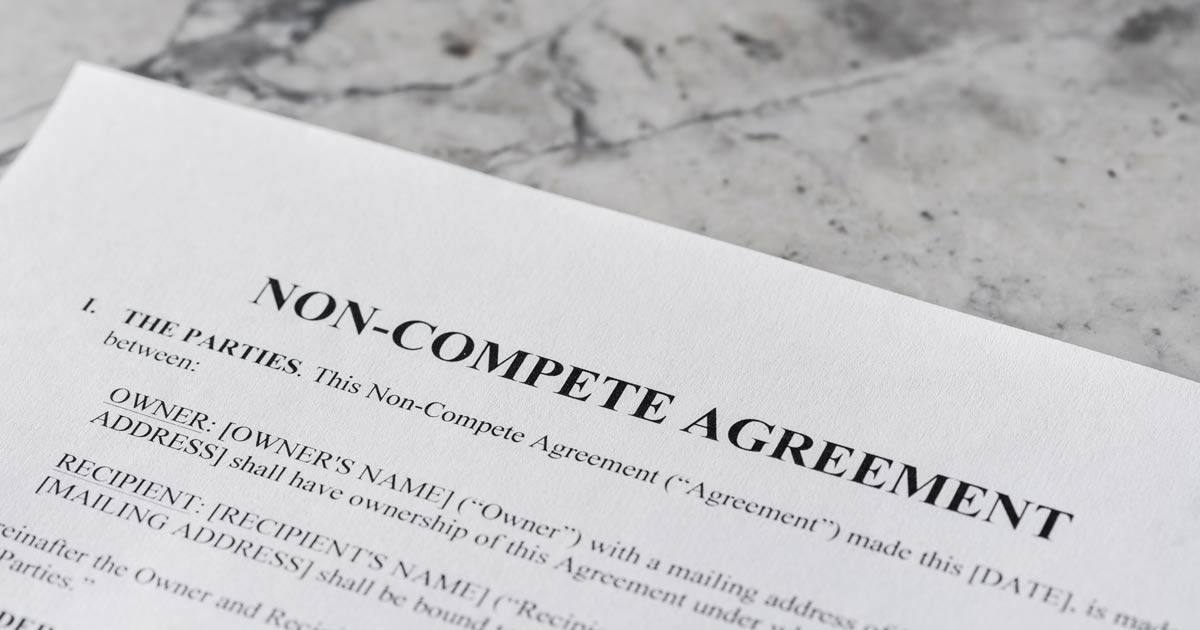
The
new law in Washington:
;Builds on a 2019 state law that limited noncompete agreements to workers earning more than $100,000 (updated in 2024 to $120,559,99 for workers and $301,399.98 for independent contractors).;
;Applies to noncompetes signed before or afterJune 30, 2027.;
;Declares almost all current and future noncompetition covenants void and unenforceable.;
;Covers any written or oral agreement that prohibits or restrains an employee or independent contractor from engaging in a lawful profession, trade or business.;
;Requires employers to provide written notice to workers byOct. 1, 2027, informing them their old noncompete agreements are no longer enforceable.;
;Voids agreements with employees and independent contractors that restrict them from working in their field after leaving a position.;
;Prohibits employers from enforcing, threatening or even suggesting a noncompete applies to the employment relationship.;
;Prevents “stay or pay” restrictions that require workers
Author(s):

Workspan Daily
12/17/2025
Tetzeli has practiced immigration law for more than 30 years.
Author(s):

Workspan Daily
02/07/2023
The law is designed to protect workers from discipline or retaliation for using time off, so employers have limited ability to ask for documentation of the reason for the absence.
Author(s):

Workspan Daily
06/19/2024
Connecticut’s previous paid sick days laws (which go back to 2011, when the state became the first to pass a related law for private-sector employers) required employers with more than 50 employees in, for the most part, specific retail and service occupations (e.g., food service workers, healthcare workers) to provide their employees with up to 40 hours of paid sick leave annually.
Author(s):

Workspan Daily
12/09/2022
They had until Dec. 5 to submit roughly 623,000 valid voter signatures to place a question on the 2024 ballot asking whether the law should take effect.

Workspan Daily
06/20/2023
According to labor and employment law firm Littler Mendelson P.C. , NYC 144 prohibits employers or employment agencies from using an automated employment decision tool (AEDT) to make an employment decision unless: the tool is annually audited for bias; the employer publishes a public summary of the audit; and the employer provides certain notices to applicants and employees who are subject to screening by the tool.
Author(s):

Workspan Daily
12/14/2023
Action Items for Employers Aladag said Wisconsin employers should be proactive in case the legislation becomes law.
Author(s):