What can we help you with today?
Filter by Topics
Filter by Category
Found 1005 results
Workspan Daily
04/09/2026
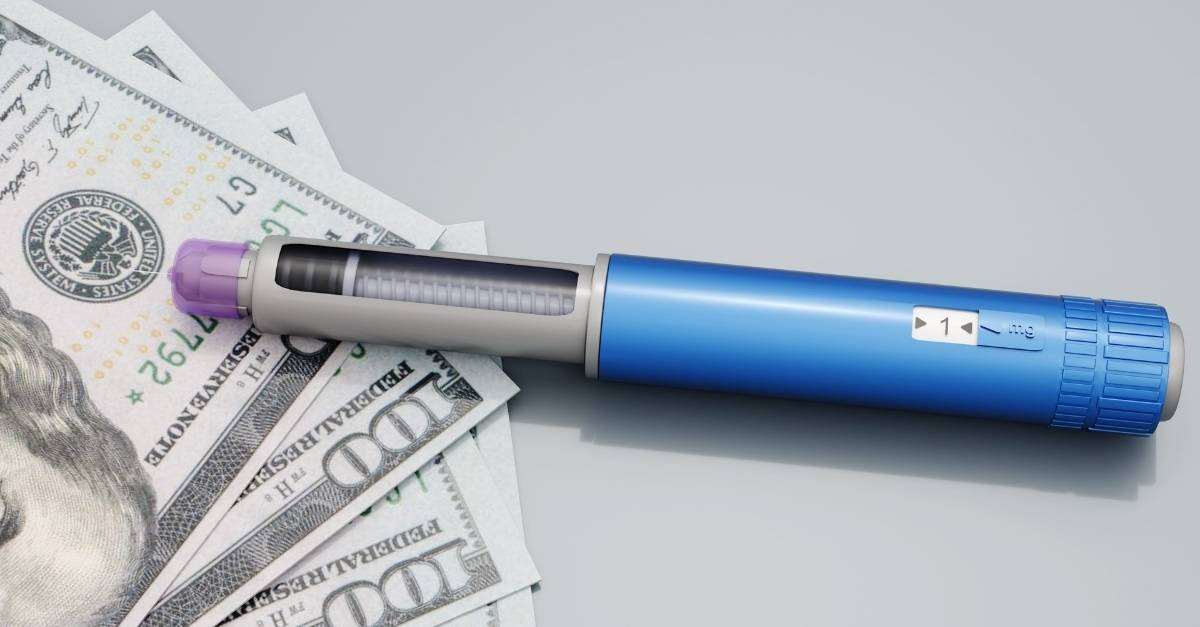
It commonly involves prior authorization, limiting coverage to Food and Drug Administration-approved uses (type 2 diabetes and obesity, in the case of GLP-1s) and requiring proof of progress (i.e., ongoing weight loss) for continued coverage.
Author(s):

Workspan Daily
04/15/2026
.;
2.
Author(s):

Site Page
To make purchases, you must submit your name, credit or debit card type, number, expiration date, security code, and billing address.

Workspan Daily
12/09/2024
Additionally, the type of work can significantly differ.
Author(s):

Workspan Daily Plus+
07/16/2025
Types of Lasers
While stop-loss insurance lasers are most commonly introduced during a policy renewal — when the carrier has a full year of specific claims data — they also can be present in an initial policy if the underwriters had access to relevant claims information.
Author(s):

Workspan Daily
02/18/2025
;Virginia House Bill 2094 , introduced on Feb. 2, has similar text as the Colorado AI Act.
Author(s):

Workspan Daily
08/14/2025
Engineers, especially those from the tech sector, often expect heavier equity compensation than, say, those from the retail world.;
Different Talent Types May Desire Different Pay Structures
Total rewards teams use various tools, including direct and indirect solutions, to attract, motivate and retain both types of employees (see figure below).
Author(s):

Course
Recertification Course Credits
WorldatWork Recertification Credits
2 Compensation Credits
CEUs
0.2 Credits
HRCI Recertification
2 Credits
SHRM Recertification
2 Credits
Learning Options
Exercises are included throughout each section of the course for hands-on practice.

Course
Recertification Course Credits
WorldatWork Recertification Credits
2 General Credits
CEUs
0.2 Credits
HRCI Recertification
2 Credits
SHRM Recertification
2 Credits
Learning Options
Exercises are included throughout each section of the course for hands-on practice.

Workspan Magazine
05/13/2021
Despite many surveys of employer intent still reporting that the “average” employer is budgeting 2% to 3% for pay adjustments (down from slightly over 3% a year ago), a significant percentage of employers cannot fund any increases because of the precipitous decline in their revenues.
Author(s):