What can we help you with today?
Filter by Topics
Filter by Category
Found 421 results

Workspan Daily
10/24/2025
.;
Public Sector Passing on 12.3% Cost Increase to Employees
U.S. federal government employees will pay, on average, 12.3% more toward their health insurance premiums starting in January 2026, an average of $26.40 more per pay period, according to
information released Oct. 9 by the Office of Personnel Management (OPM).
Author(s):

Certification
Manageable Time Commitment
On average 17 total hours of study per course.
Workspan Daily
03/31/2022
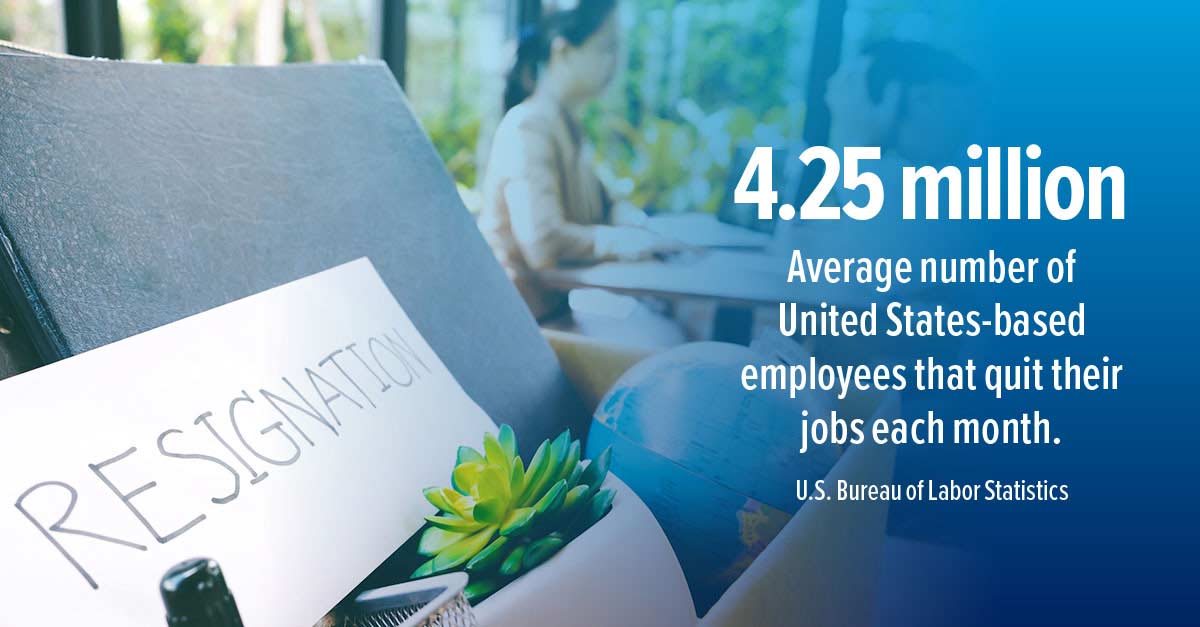
The number of quits per year has been steadily increasing throughout the past 10 years.
Author(s):

Workspan Magazine
04/11/2024
“By 2023, the (claims) division reported a better customer experience, increased accuracy of payouts to (and on behalf of) customers, and improved operational efficiency — all saving Allstate millions of dollars in costs per year,” MIT CISR’s study found.
Author(s):

Workspan Daily
02/18/2025
Developers and deployers of these systems could be fined up to $100,000 per violation.;
;New York Gov.
Author(s):

Workspan Daily
08/11/2025
“Our legislation ensures out-of-network medical bills are resolved promptly and fairly, with enhanced penalties [up to $10,000 per violation] for any failure by the health insurers to do so.”
Author(s):
Workspan Daily
10/31/2025
Violators face penalties such as a minimum of $5,000 in damages per worker, along with legal fees.
Author(s):

Workspan Magazine
02/01/2021
., earnings per share, relative total shareholder return).
Author(s):

Workspan Daily
06/14/2023
Patel also said Moderna introduced a new mental health benefit in October 2022 that provides employees and each member of their family up to 26 therapist sessions per year, in addition to other well-being tools.
Author(s):
Workspan Daily
12/19/2025
.;
For instance, the notice states that, under an employer’s Trump Account contribution program, the employer may contribute up to $2,500 per year to the account of an employee or the employee’s dependent (which counts against the person’s aggregate $5,000 annual limit).
Author(s):