- The potential: At its best, performance management (PM) should be one of the most powerful tools your organization has to bring out the best in its people.
- The pitfall: Many organizations spend too much time managing the process of PM and not enough time focusing on the people it’s supposed to support.
- Your purpose: HR and Rewards professionals have an extraordinary opportunity to take the lead on the PM issue.
- Your publication: This inaugural issue of Impact will challenge conventional thinking, explore what employees really want, and examine how you can empower managers, leaders and employees to create a more meaningful and effective approach to performance.


“I can’t wait for my performance review!”
When was the last time you heard someone say that? If you’re struggling to remember, you’re probably not alone.
For something designed to improve performance, inspire growth and help people succeed, sentiment surrounding performance management (PM) has continued to decline and has a lingering image problem. Too often, it’s associated with paperwork, ratings, uncomfortable conversations, and annual meetings that leave employees wondering what they accomplished or what they’re supposed to do differently.
But, here’s what I find interesting: The problem isn’t necessarily PM itself — it’s the gap between what we intend it to accomplish and what employees actually experience.
At its best, PM should be one of the most powerful tools organizations have to bring out the best in their people. It should:
- Create clarity;
- Encourage meaningful conversations;
- Recognize contributions;
- Identify opportunities for growth; and,
- Connect individual success to organizational performance.
That’s a pretty compelling purpose.
So, why does the experience so often fall short?
I believe part of the answer is we’ve spent too much time managing the PM process and not enough time focusing on the people it’s supposed to support.
Think about it. Employees want to know what’s expected of them. They want feedback that helps them improve, not surprises delivered once a year. They want to understand how their work contributes to something bigger. They want opportunities to develop new skills, advance their careers and be recognized for the value they bring. Perhaps most importantly, they want to believe the system is fair.
Those expectations aren’t unreasonable. They’re fundamental to creating an environment where people feel motivated, supported and empowered to succeed. PM shouldn’t be something employees endure. It should be something that helps them thrive.
HR and Rewards professionals have an extraordinary opportunity to take the lead on the PM issue. You can:
- Rethink outdated processes;
- Equip managers to become better coaches;
- Help executives connect organizational priorities to individual contributions; and,
- Ensure employees have a meaningful voice in their own development.
This is critical work, and you aren’t alone in tackling it.
Effective PM requires everyone to play a role:
- Leaders must establish clear expectations and remove barriers to success.
- Managers must provide consistent coaching, honest feedback and meaningful recognition.
- Employees must take ownership of their goals, growth and contributions.
HR brings these pieces together, creating the framework, tools and culture that make great performance possible.
When organizations get that right, PM becomes much more than an annual exercise — it becomes an ongoing conversation about potential, progress, accountability and achievement.
That’s when real impact occurs.
Fresh Name, Fresh Perspectives
Mentioning “real impact” brings me to something else I’m incredibly excited to share.
Welcome to Impact: The WorldatWork Magazine.
This issue marks the beginning of a new chapter for our publication (formerly known as Workspan Magazine), and the name is intentional. At WorldatWork, we believe the value of HR and Rewards isn’t measured simply by the programs the function develops, the policies it implements or the processes it manages. Instead, it’s measured by the difference those efforts make in people’s lives and in the organization’s performance. That’s true impact.
Our new magazine name reflects that philosophy. Impact is designed to bring you fresh perspectives, practical strategies, meaningful research and ideas you can put to work. As WorldatWork continues to expand its expertise across the broader HR ecosystem, this publication will reflect the interconnected nature of the challenges and opportunities you navigate each day.
Compensation, benefits, talent development, employee relations, well-being and PM don’t operate in isolation. Together, they shape the employee experience and influence organizational success.
You are at the center of making it all work.
Delve Into This Issue
It’s fitting that our first issue of Impact focuses on PM. Throughout this issue, we’ll challenge conventional thinking, explore what employees really want, and examine how HR can empower managers, leaders and employees to create a more meaningful and effective approach to performance.
My hope is you’ll come away with more than a few interesting ideas. I hope you’ll find something that makes you question an existing practice, start a new conversation or take action that improves how people experience work.
Great work doesn’t happen because someone completes a performance review. It happens when people have the clarity, support, opportunity and motivation to do their best.
You help create those conditions every day. And at WorldatWork, we’re here to help you bring great work to life.
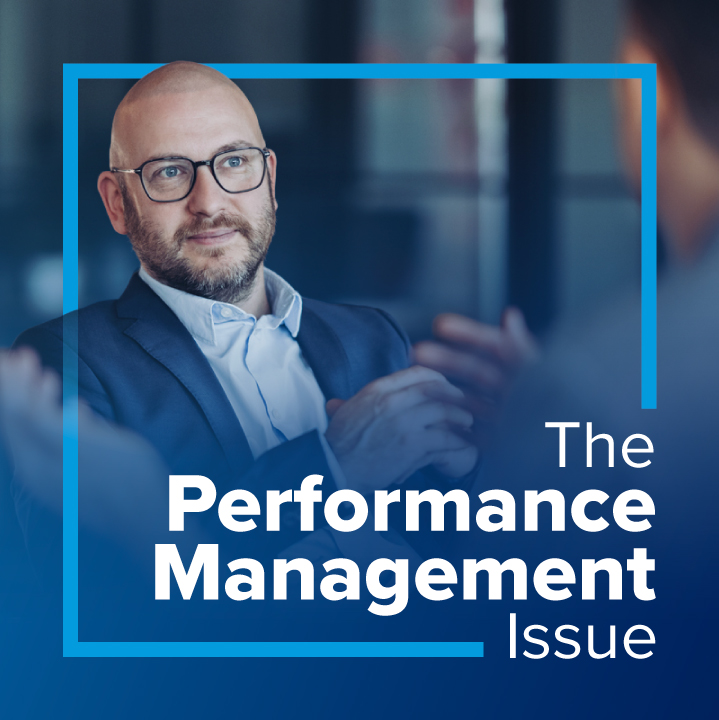
Read the October-November 2026 issue’s special “Performance Management” content | |
|---|---|
 |
|
Explore the rest of the October-November 2026 issue | |
Editor’s Note: Additional Content
For more information and resources related to this article, see the pages below, which offer quick access to all WorldatWork content on these topics: