For WorldatWork Members
- Questions About Questionable Employee Posts: An HR Decision Framework, Workspan Daily Plus+ article
- Fake Posts, Real Consequences: AI’s Impact on Workplace Discipline, Workspan Daily Plus+ article
- Knowledge and Next Steps: Utilize Our Social Media Policy Template, Workspan Daily Plus+ article
- An Employee Religiously Objects to Using AI. What Can You Do? Workspan Daily Plus+ article
- Accommodations Are a Dynamic Concern for the Employer and Employee, Workspan Daily Plus+ article
- Are You Aware of These Free DOL Employment Law Resources? Workspan Daily Plus+ article
For Everyone
- What Can (and Can’t) You Do Regarding Employees’ Social Media Posts? Workspan Daily article
- What Does NLRB’s New Republican Majority Mean for Employers? Workspan Daily article
- EEOC Letter Reminds Corporate Leaders About Title VII Do’s, DEI Don’ts, Workspan Daily article
- Demonstrate Equity and Diversity by Reinvesting in Employees, Workspan Daily article


The line in the sand on disciplining employees for their workplace-related comments has shifted once again in the U.S.
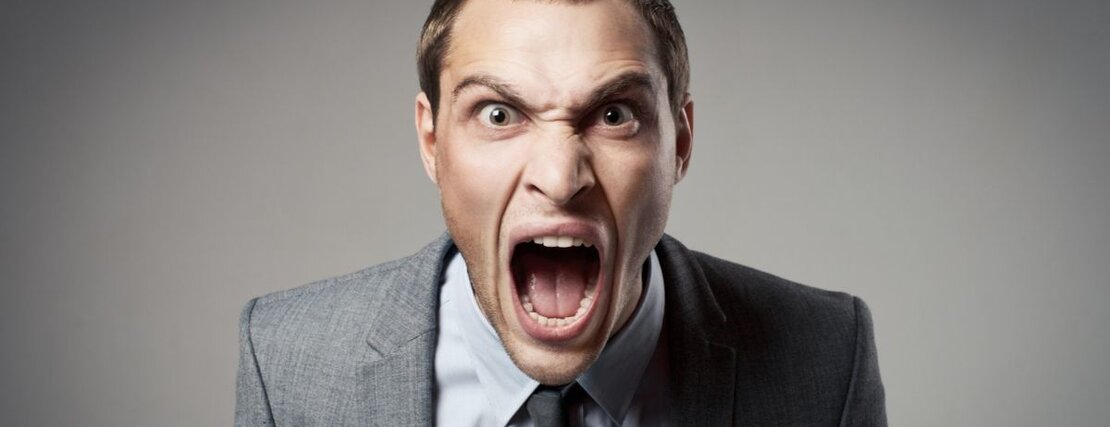
On Sept. 23, the National Labor Relations Board (NLRB), ruling in the remanded case Lion Elastomers LLC, 375 NLRB No. 41, effectively abandoned the precedent created in the initial 2023 Lion Elastomers decision, which occurred during the administration of then-President Joe Biden. The 2023 precedent gave employees greater leeway for disruptive/offensive/abusive conduct while engaging in protected concerted activity.
The NLRB, on Sept. 23, also reinstated a framework established during the first administration of President Donald Trump that makes it easier for employers to discipline workers for such conduct.
“For a lot of employers, that represents a commonsense approach to workplace conduct that allows them to implement and administer their ‘facially neutral’ workplace conduct policies,” said Louis Cannon, a partner at the law firm of Mitchell, Silberberg and Knupp.
Here’s what employers need to know about the latest policy shift.
WorldatWork members can access a bonus article on this subject:
The Prior Approach
Under the NLRB approach established during the Biden administration, employees had more leeway for conduct that could be deemed impulsive, heated or offensive while commenting on or discussing certain workplace matters (i.e., wages and hours, benefits, workplace safety, and company policies). In addition, employers could discipline one or more employees engaged in such protected concerted activity, but only if the conduct crossed a “high threshold,” said Ryan Sears, a shareholder and labor relations attorney at the Ogletree Deakins law firm.
The NLRB has now returned to its position taken in the 2020 case General Motors LLC, 369 NLRB No. 127, which separates the misconduct from the protected activity and asks whether the discipline was really about the misconduct.
“If it was, the employer prevails,” Sears explained. “Even if both played a part, the employer can still prevail by showing it would have disciplined the same way regardless.”
Tensions on Limits
According to Sears, HR has long faced tension when it comes to setting limits on speech in the workplace: Either the function disciplines an employee’s egregious conduct during protected concerted activity and risks an unfair labor practice charge, or it does nothing and risks liability under anti-harassment laws.
“This decision eases that tension but does not eliminate it,” he said. “Employees’ rights to engage in protected activity are unchanged, and discipline still cannot become a vehicle for punishing that activity.”
‘The Biggest Vulnerability’
Based on the new ruling, Sears said, the practical HR takeaway is a simple “Would we anyway?” test — as in, “Would we take the same action if the same conduct occurred with no protected activity involved?”
“If the answer is yes, and the record shows a neutral rule, consistent past treatment and documentation of the specific conduct, the employer is on much firmer ground,” he said. “Inconsistency is the biggest vulnerability.”
Review and Revise
To that end, Mitchell, Silberberg and Knupp’s Cannon advised that now may be a good time for employers to review and revise (or reintroduce) their employee conduct policies.
“I think it would make sense for HR pros to pull those policies out and consult with labor counsel and take steps to make sure they are being uniformly enforced,” he said.
Cannon also emphasized your need to go beyond the policy.
“After all, a policy may read fine, but if you have situations where there are outbursts and disruptions and employees are not being held accountable for those, that’s not going to help them,” he said.
As a caveat, Sears noted that the NLRB framed its latest decision narrowly and left the door open to revisiting the issue in the near future.
“Given that, I would not treat it as the final word,” he said.
Editor’s Note: Additional Content
For more information and resources related to this article, see the pages below, which offer quick access to all WorldatWork content on these topics: