What can we help you with today?
Filter by Topics
Filter by Category
Found 477 results
Workspan Daily Plus+
09/23/2025
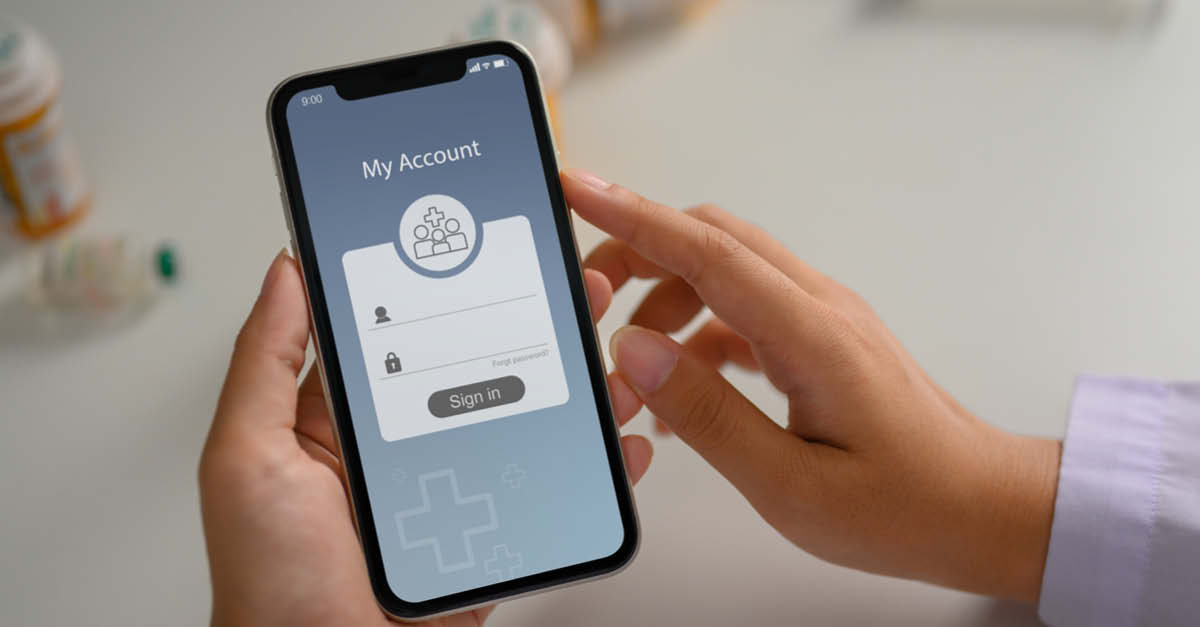
While Evernorth found that most employees are looking for benefits such as centralized prescription tracking and real-time updates, their utilization of digital tools remains low — she noted just 30% of maintenance and acute members are registered with the Express Scripts service.
Author(s):

Workspan Daily Plus+
10/13/2025
.;
;$250 after the new hire completes 30 days and $250 after six months of employment.;
Correct answer: [Enter the correct answer after adjusting for your bonus amount(s).]
Author(s):

Workspan Daily Plus+
12/23/2025
For example, some may allow up to 30 credits, but others may allow fewer.;
;Work with an academic advisor.
Author(s):

Workspan Daily
01/12/2026
“AI distrust is really leadership distrust,” he said, citing Workday
research that reported 75% of employees are comfortable with AI but only 30% are comfortable being managed by it.
Author(s):

Workspan Daily
11/25/2024
Additionally,
Alight’s 2024 International Workforce and Well-Being Mindset study found 30% of surveyed employees said they didn’t use one or more well-being program components because they weren’t personally relevant.
Author(s):

Journal Article
03/01/2021
Department of Labor (2020) estimated that benefits accounted for more than 30% of total labor costs in 2020.
Author(s):

Workspan Magazine
02/15/2023
Data shared by Indeed shows that such disclosures appeal to job seekers: Jobs with pay information receive approximately 30% more started applications per impression, according to an Indeed spokesperson.
Author(s):

Workspan Daily
01/13/2023
After the DOL unveils its new OT rule, the public will have at least 30 days to comment on it before the DOL can issue a final rule, which would is allowed to take effect no sooner than 60 days after it is published in the Federal Register.
Author(s):

Workspan Daily
05/19/2023
Even at the 137 companies that had positive results, performance declined to a median 16.6% return, compared with an overall median of 30% in 2021.

Workspan Daily
06/23/2023
The plan, believed to be the first of its kind globally, will initially cover about 8,000 companies next year and expand to encompass about 20,000 companies with more than 30 employees by 2028, the government said on Monday.