What can we help you with today?
Filter by Topics
Filter by Category
Found 558 results

Workspan Magazine
10/03/2024
“And, you had to catch people who were leaving the company or retiring eight or 10 years later, and some of the hourly folks didn’t remember ever signing anything.”
Author(s):

Workspan Magazine
02/05/2025
Last fall, a Pew Research Center pulse
report on housing affordability noted that nearly 7 in 10 Americans (69%) were “very concerned” about the cost of housing, up from 61% in April 2023.
Author(s):

Workspan Magazine
10/01/2025
For example, a large western U.S. health system achieved a 10% to 16% reduction in turnover, particularly among younger employees, Smith said, by teaching employees how to regulate their stress responses in real time.
Author(s):

Site Page
To the extent the terms of the licenses applicable to Open-Source Components prohibit any of the restrictions in these Terms of Use with respect to such Open-Source Component, such restrictions will not apply to such Open Source Component. 10.

Workspan Magazine
06/11/2025
The global manufacturer of bearings, automotive components and precision machinery is continuing to create more flexible work arrangements through 2026, as part of a 10-year plan of work-style reforms.
Author(s):

Workspan Magazine
11/23/2021
The past record shows that about 10% to 15% of employees receive division-level recognitions every year.
Author(s):

Certification
Faster completion: The program has been streamlined and now can be completed in only eight courses and exams (instead of 10) , saving you time and money.

Journal Article
01/01/2022
April and Blass asserted that inclusion consists of 10 dimensions that provide insight into a range of inclusion aspects taking place in an organization.
Author(s):
Journal Article
01/01/2022
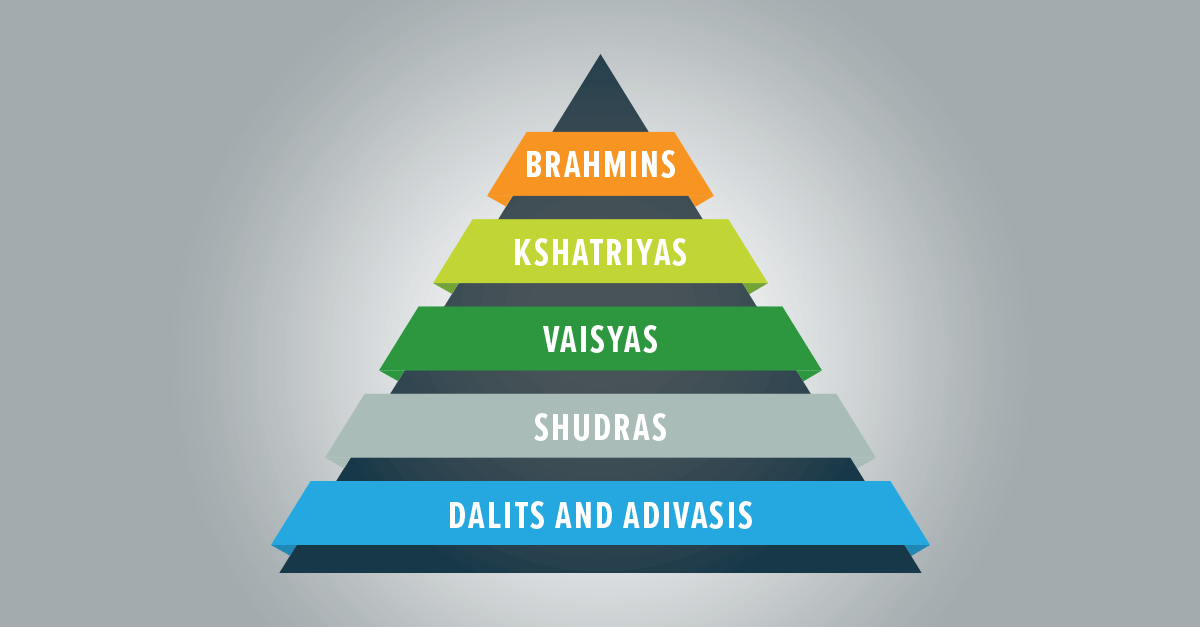
Viewed: Jan. 10, 2022. https://idsn.org/press-release-european-parliament-calls-for-an-eu-policy-to-address-caste-discrimination/.
Author(s):
Journal Article
11/14/2024
While the UK’s cost-of-living crisis has brought more prominence to discussion about increased frequencies of payment and flexible or early access to wages — especially for lower-paid employees — less than 10% of respondents thought that this would be adopted in the next five years (see Figure 9).
Author(s):