What can we help you with today?
Filter by Topics
Filter by Category
Found 99 results

Journal Article
06/02/2023
., Nyberg et al. 2010), option pay (e.g., DesJardine and Shi 2021), pay level (e.g., Chang, Dasgupta and Hilary 2010), the share of fixed to contingent pay (e.g., Kulich et al. 2011), and relative performance evaluation (e.g., Aggarwal and Samwick 1999), but a systemic compensation design perspective is largely missing.
Author(s):
Workspan Daily
07/10/2025
Trump, President of the United States, et al., v.
Author(s):

Workspan Magazine
12/03/2025
In any case, communication related to pay equity should not just focus on the market logic, it should emphasize the underlying fairness rationale ( Xu et al. 2024).
Author(s):

Workspan Daily
12/20/2024
UnitedHealth Group, et al .
Author(s):

Journal Article
09/21/2023
The confidential Likert Scale Survey was used to measure employee perceptions of pay transparency ( Day 2007), pay secrecy culture ( Scott and Jordan 2018), pay transparency preferences (Scott et. al., 2020), trust in management ( Scott 1980), intent to leave ( Shields et al. 2012), and pay fairness ( Colquitt 2001), as described later.
Author(s):

Workspan Daily
05/12/2025
.;
“Companies should view [these findings] less as a cost and more of a need for investment,” said Bruce Y.
Author(s):
Journal Article
06/02/2023
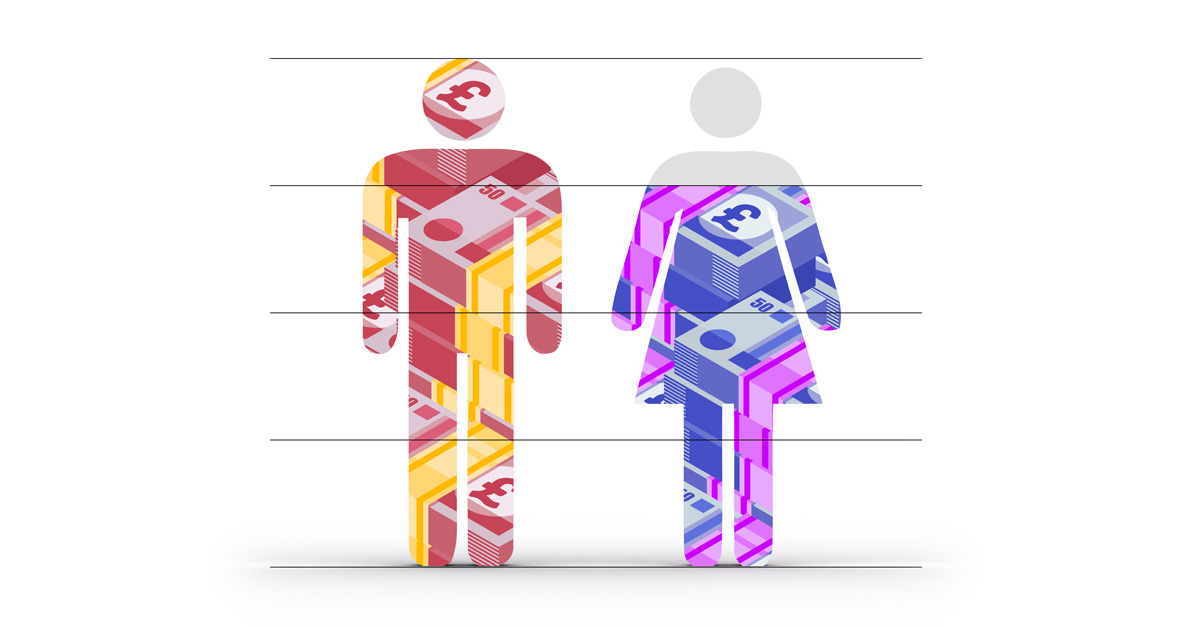
But those gains have been waning in recent years due to the decreasing trade union activity in businesses across the UK ( Conley 2014; Milner et al. 2019; McGuinness et al. 2011).
Author(s):

Journal Article
07/04/2022
Although pay is a fundamental right in employment, rewards more broadly can be used to motivate employees and improve performance.Put simply, above-average rewards signal “to employees that they deserve to be rewarded for superior contributions” (Marchington et al. 2021).
Author(s):

Journal Article
03/01/2024
Both are valid objectives and use similar tools, but they answer different questions ( Hofman et al. 2021).
Author(s):

Journal Article
08/23/2024
We created a new measure for CEO complexity by building on previous work ( Albuquerque et al. 2022; Alolah 2024; Burkert et al. 2023; Murphy and Sandino 2020).
Author(s):