For WorldatWork Members
- When Your First Day in HR Is as CHRO: Making the Leap Work, Workspan Daily Plus+ article
- Motivation Can’t Be Bought: Rethinking the Employee Experience, Workspan Magazine article
- From Jobs to Skills to Outcomes: Leading the Evolution in TR, Workspan Magazine article
- AI Copilots: Improving the HR Experience for Employees, Journal of Total Rewards article
- Total Rewards Leader 2026 Priorities, research
For Everyone
- Strategic vs. Administrative HR: The Impacts on Your Craft and Career, Workspan Daily article
- Reflecting on the Role: How HR Professionals Feel About Their Work, Workspan Daily article
- To Enable Workforce Resilience, HR Must Start by Looking in the Mirror, Workspan Daily article
- The Shakeup of the HR Function Is at Hand (and Needed), Workspan Daily article
- Can You Guess the Top 10 Rising Skills for HR Professionals? Workspan Daily article


What are the forces actively transforming jobs, skills and performance? What role do total rewards (TR) and HR professionals play in molding those areas?
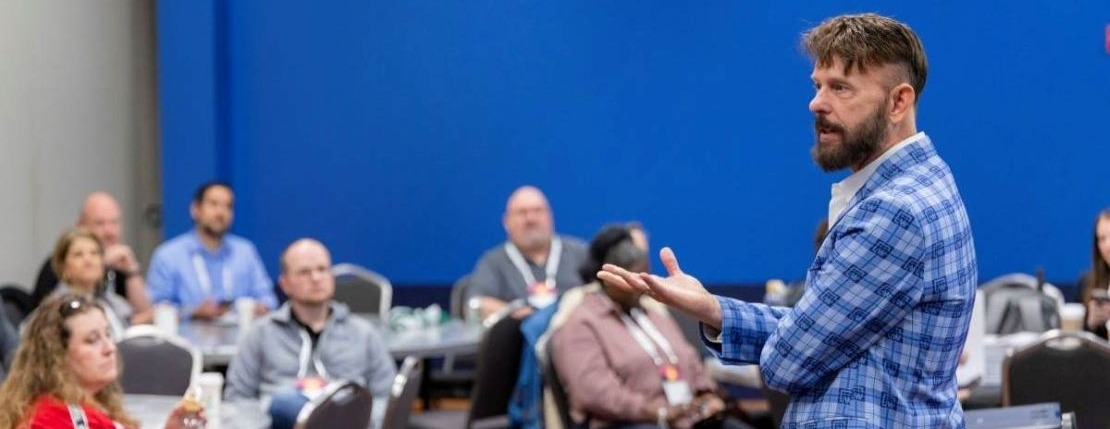
Those are the questions Scott Cawood, the CEO of WorldatWork, and Amy Dufrane, the CEO of the HR Certification Institute (HRCI), addressed in their Monday, April 21, featured session, “Shaping the Next Era of Work: A WorldatWork and HRCI Welcome to HR@TR”, at Total Rewards ’26 in San Antonio, Texas.
In November 2025, WorldatWork and HRCI announced a new strategic collaboration designed to expand and elevate professional development opportunities for HR and TR professionals around the world. As a result, the two organizations are hosting an innovative program at this week’s conference: HR@TR: A WorldatWork + HRCI Collab.
Designed exclusively for the HR community at Total Rewards ’26, the program features:
- More than a dozen curated breakout sessions exploring the evolving HR landscape and its alignment with rewards strategy;
- Keynote conversations with influential leaders shaping the future of work;
- Opportunities to learn from experts across the HR, rewards and academic communities;
- A connected learning experience that encourages shared problem-solving and cross-disciplinary insights; and,
- Networking and community-building moments with peers, practitioners and credentialed professionals from around the globe.
Workspan Daily interviewed both CEOs to learn more about the collaboration, what they see as the takeaways from the HR@TR program and where they think the future of work is heading.
Check out Workspan Daily’s on-site coverage of Total Rewards ’26:
- Why You Need to Be Attuned to Your Culture’s ‘Silent Signals’
- There Is a Distinct Power in Knowing What Matters to Your Workers
- Why Bravery Is a Formal Habit HR Pros Need to Build and Lean Into
- Your Voice and Vision May Be Your Most Important HR Leadership Tools
- Cha-Ching: How to Transform HR into a Profit Center
- What’s Your Role in Making AI a Responsible HR/TR Tool?
Check out Workspan Daily’s pre-conference coverage of Total Rewards ’26:
- To Enhance Employee Experience, Lean into Integrity, ‘Radical Honesty’
- Conference Session Takes Community Approach to Solving HR Problems
- BIG Ideas: Learn How to Get the Most Out of a Small HR Budget and Team
- Recognize that Employee Recognition Needs Some Attention
- Hard Choices, Soft Solutions: A Considerate Approach to Compensation
- Making the Leap to a Pay-for-Performance Approach that Works
- Are You Speaking Gen Z’s Language When It Comes to Total Rewards?
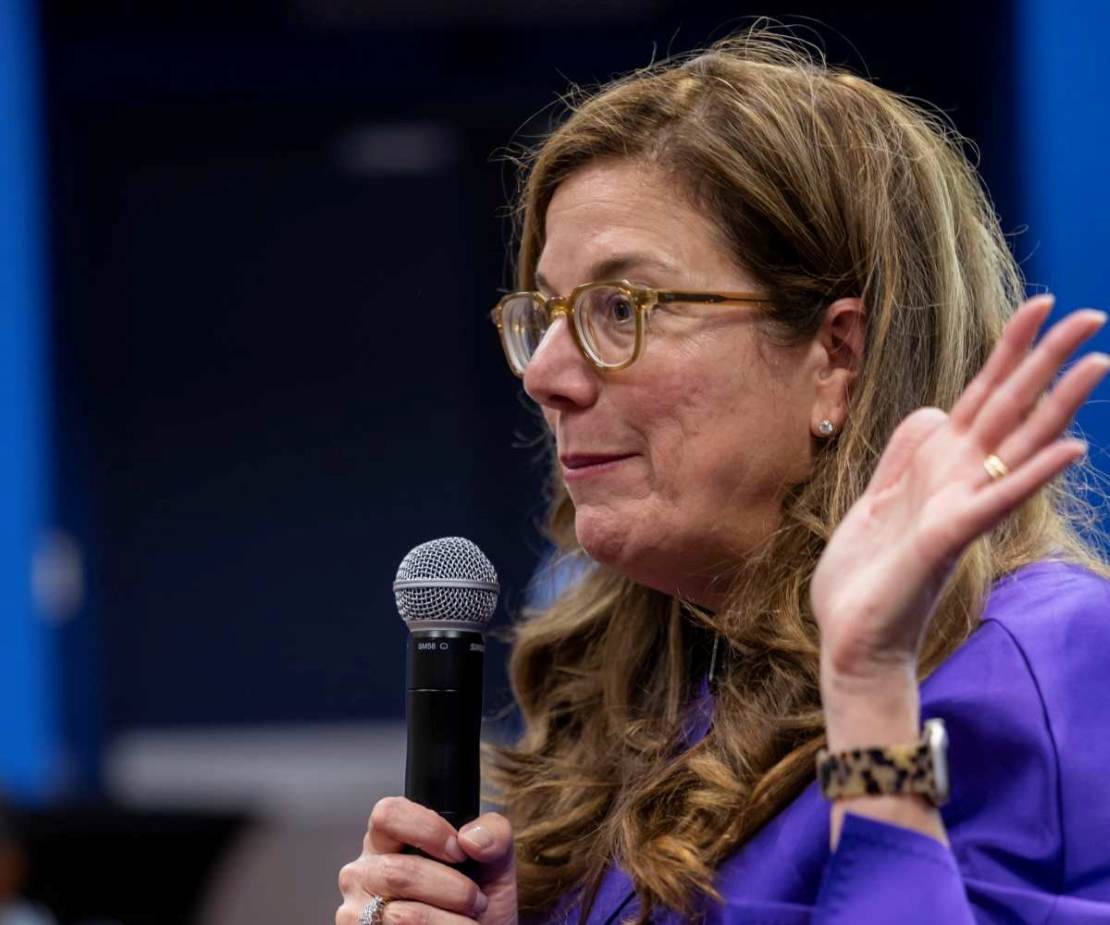
HRCI CEO Amy Dufrane
WD: What is the goal of the WorldatWork and HRCI collaboration?
Cawood: We have long valued and enjoyed a strong relationship with HRCI. We wanted to bring our two audiences more closely together because, collectively, our organizations offer numerous opportunities for growth in the HR space. Our focus in TR has enabled us to develop HR professionals into business-savvy executives, and HRCI offers the standard of excellence rounding out the full package for outstanding HR.
Dufrane: We believe continued learning and collaboration are at the heart of professional growth. Partnering with WorldatWork allows us to bring our communities together to explore how HR and total rewards professionals can collectively shape the future of work. This collaboration underscores our shared mission to elevate standards, inspire innovation and create meaningful professional connections.
WD: What do you hope the HRCI community can gain from WorldatWork, and what do you hope the WorldatWork community can gain from HRCI?
Cawood: I would say it’s more options for skill development. WorldatWork has a specific strength in helping HR gain more business experience, and HRCI offers a multitude of skills and standards that help our audiences achieve more traction in their TR role. Together, we are a powerhouse combo for all HR and TR professionals who want to up their game in HR.
Dufrane: Partnering together will allow the HRCI community to benefit from WorldatWork’s deep expertise in optimizing the employee experience. We hope the WorldatWork community also will benefit from access to HRCI’s broad knowledge base and educational resources on talent, culture and human capital strategy.
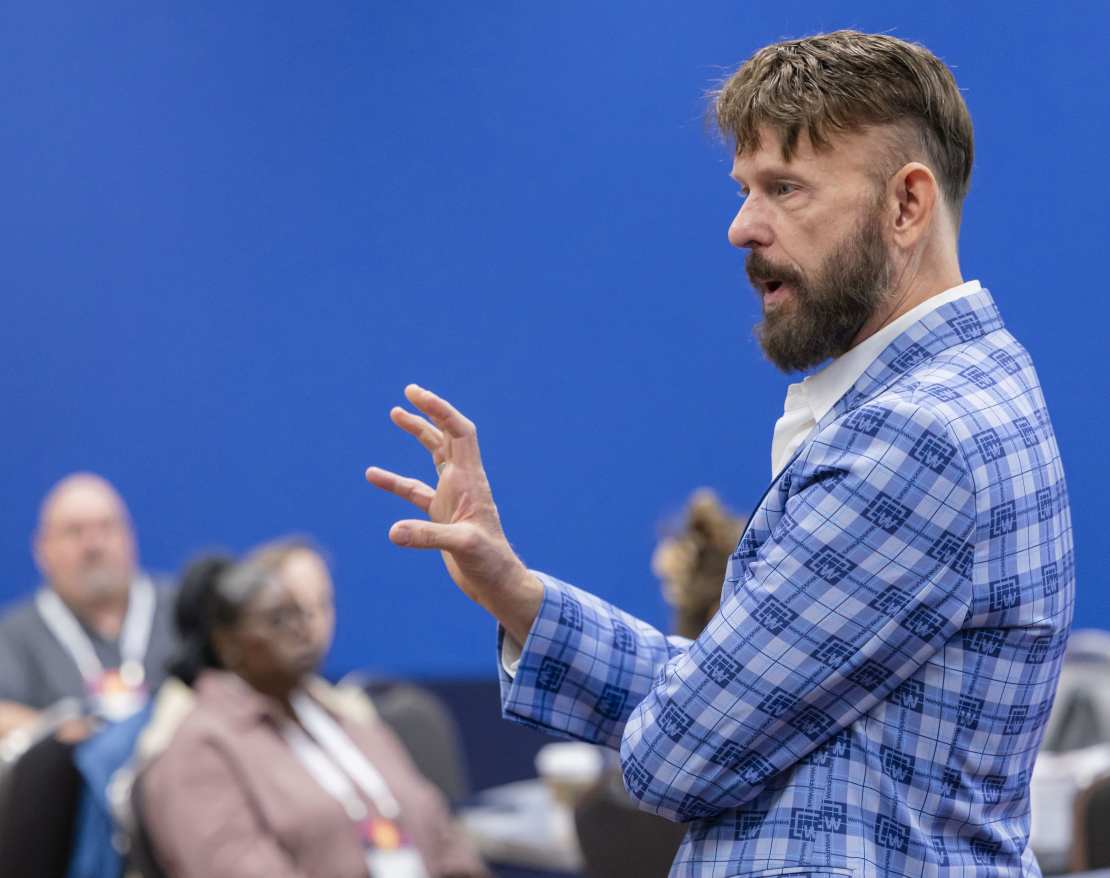
WorldatWork CEO Scott Cawood
WD: The HR@TR track is new to TR’26 this year. What do you hope attendees gain from these sessions?
Cawood: HR can always benefit from learning more about the ways in which executives think about the business, and we want our attendees to leave with broader awareness of how to position HR as an investment, not an overhead cost.
Dufrane: Our agenda is packed with sessions on everything from artificial intelligence (AI) to change management to the impact of climate on HR and the global workforce. There’s something for everyone, whether they are an HR generalist or focused specifically on rewards, compensation or benefits. We hope attendees will spend time in our sessions learning about the global megatrends impacting how they work and taking away practical solutions to deal with them.
WD: Based on your experience, what factors are shaping the future of work?
Cawood: Speed, the digital economy and employee expectations are shaping a future of work in more profound ways than we have ever experienced. HR must be able to learn and adapt as fast as the world around them is changing. Otherwise, we risk falling out of the value chain for organizations that also are at risk in this on-demand, 24-hour competitive landscape.
Dufrane: There are four generations in the workforce right now, which is impacting how we connect and communicate as well as the flexibility we expect. Technology, and specifically AI, is the buzz word du jour — it’s affecting everyone, but we’re really not keeping pace with training our people on use cases and best practices. The pace of change is incredible, and HR is in the middle of all of it.
WD: How can HR and TR professionals help prepare organizational employees for the evolving work landscape?
Cawood: HR and TR professionals must be able to build agility into their work, not just adapt to be agile. Adapting is better than stagnation, but we need to build constant adaptation into our people experiences — starting with things like job descriptions. The key is to focus on skills that the organizations need to compete, with a focus on one to two years out, and that may not be reflected in the job descriptions of organizations. It is easy to get behind on skills that are necessary to win in today’s marketplace, so a shift from traditional HR to adaptive HR is a gift for all organizations.
Dufrane: Professional development cannot be left behind. We must facilitate training for our people, whether via stipends or by providing specific, company-endorsed options. We also can’t forget the generation entering the workforce, as entry-level jobs are those most impacted by the AI phenomenon. While we may not feel this right away, what will happen when those new professionals are 10 or 15 years down the road? We have to find ways to continue cultivating a human workforce, even as the need for administrative support shifts to a more technological solution.
WD: Where do you see the HR profession in five years?
Cawood: I see HR pros at the executive table leading business into a fantastic future.
Dufrane: If we handle this time of transition well, HR will continue to be strategically indispensable. We are a purpose-driven profession, so I’m very confident in our ability to find opportunities to lead.
Check out Workspan Daily’s coverage of the Total Rewards ‘25 conference:
- Might a Sales Mindset Be Your Key to Total Rewards Success?
- The Monumental Mission of Meaningful Mentorships
- Proactive TR Pros See ‘Train’ of Change Coming, Take Steps to Act
- The Keys to Creativity and Driving Innovative Total Rewards
- The Pros and Cons of Giving Managers Discretion on Merit Increases
- Using Analytics, Innovative Framework to Transform HR/Total Rewards
- How An Industry Leader Sees Technology Transforming Total Rewards
- Biopharma Compensation Leader Has Put AI Under the Microscope
Editor’s Note: Additional Content
For more information and resources related to this article, see the pages below, which offer quick access to all WorldatWork content on these topics:

#1 Total Rewards & Comp Newsletter
Subscribe to Workspan Weekly and always get the latest news on compensation and Total Rewards delivered directly to you. Never miss another update on the newest regulations, court decisions, state laws and trends in the field.